
Intel Puts Agentic AI to Work with Xeon 6+, Networking, and AI Systems
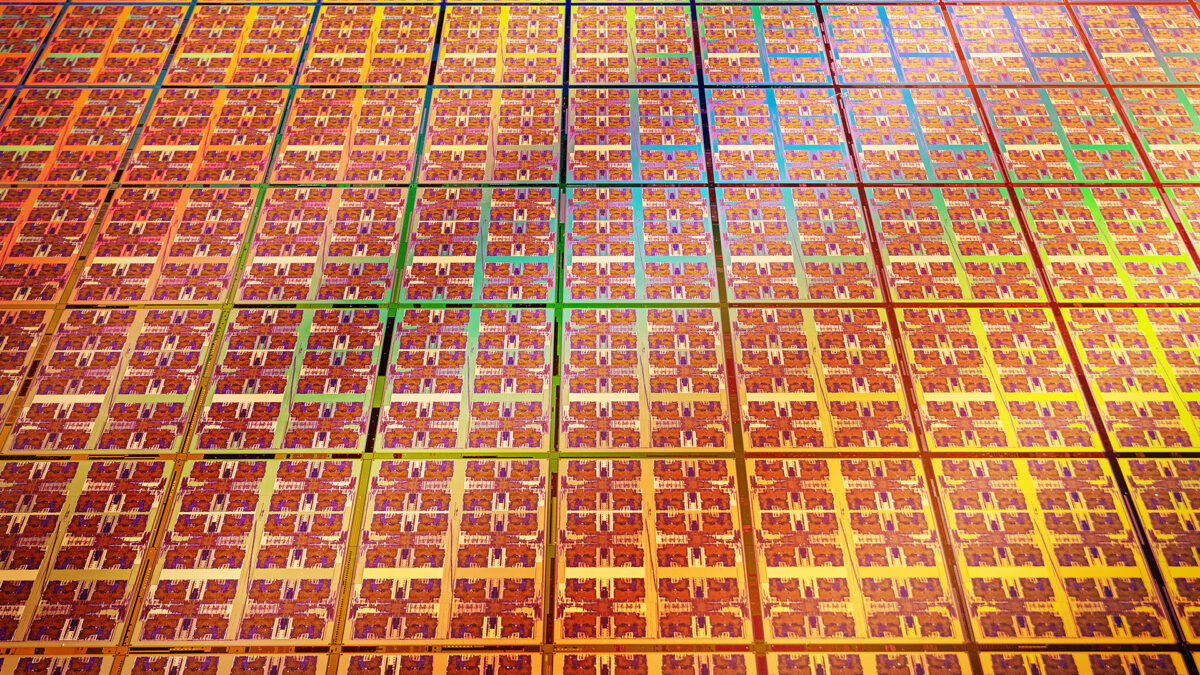
An enlarged section of an Intel® Xeon™ 6+ silicon wafer (credit: Intel Corporation).
Intel expands its AI ready platform across data center, network, and edge—showing why the CPU is at the heart of agentic AI orchestration, scale and data movement.
NEWS HIGHLIGHTS
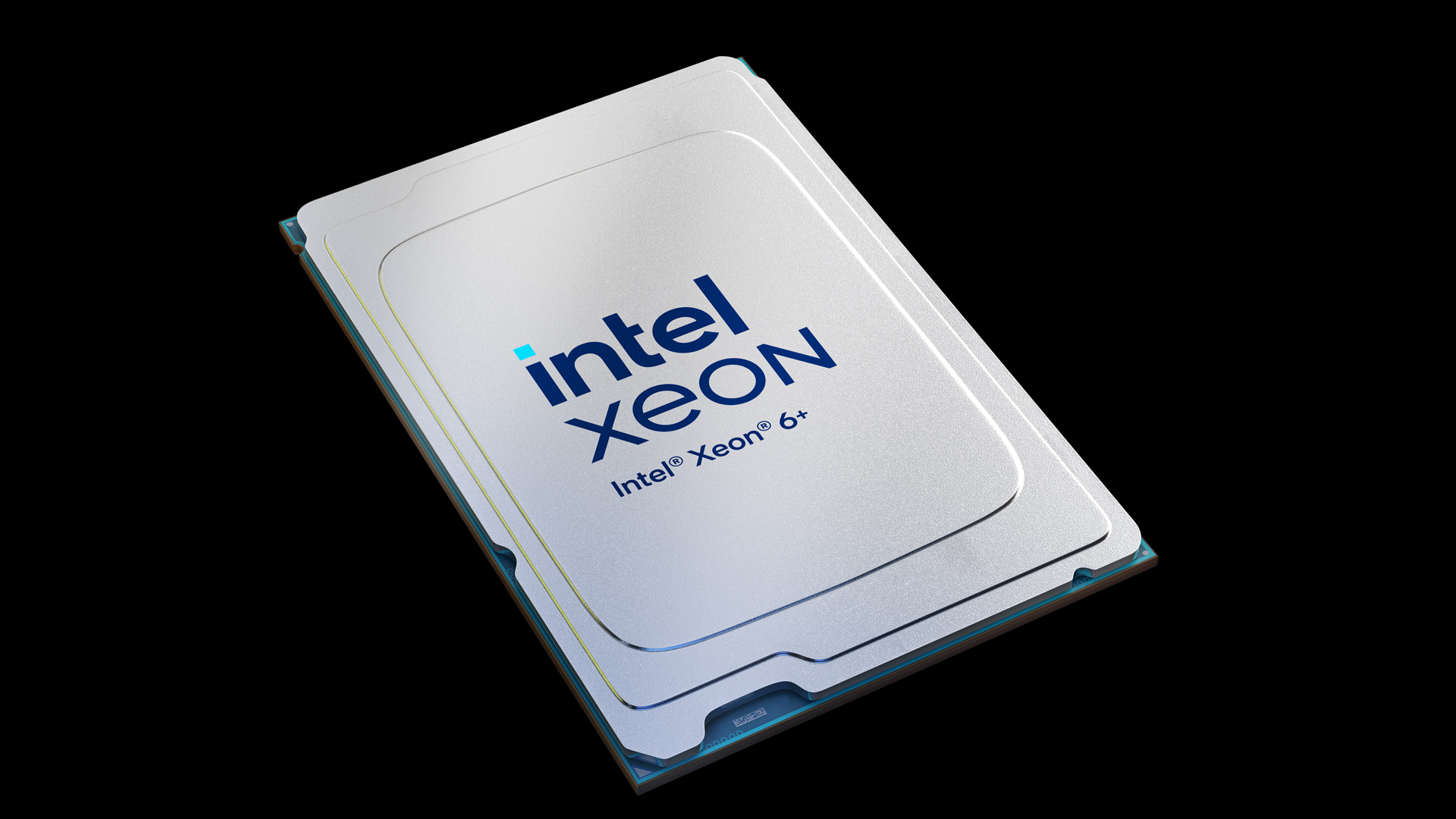
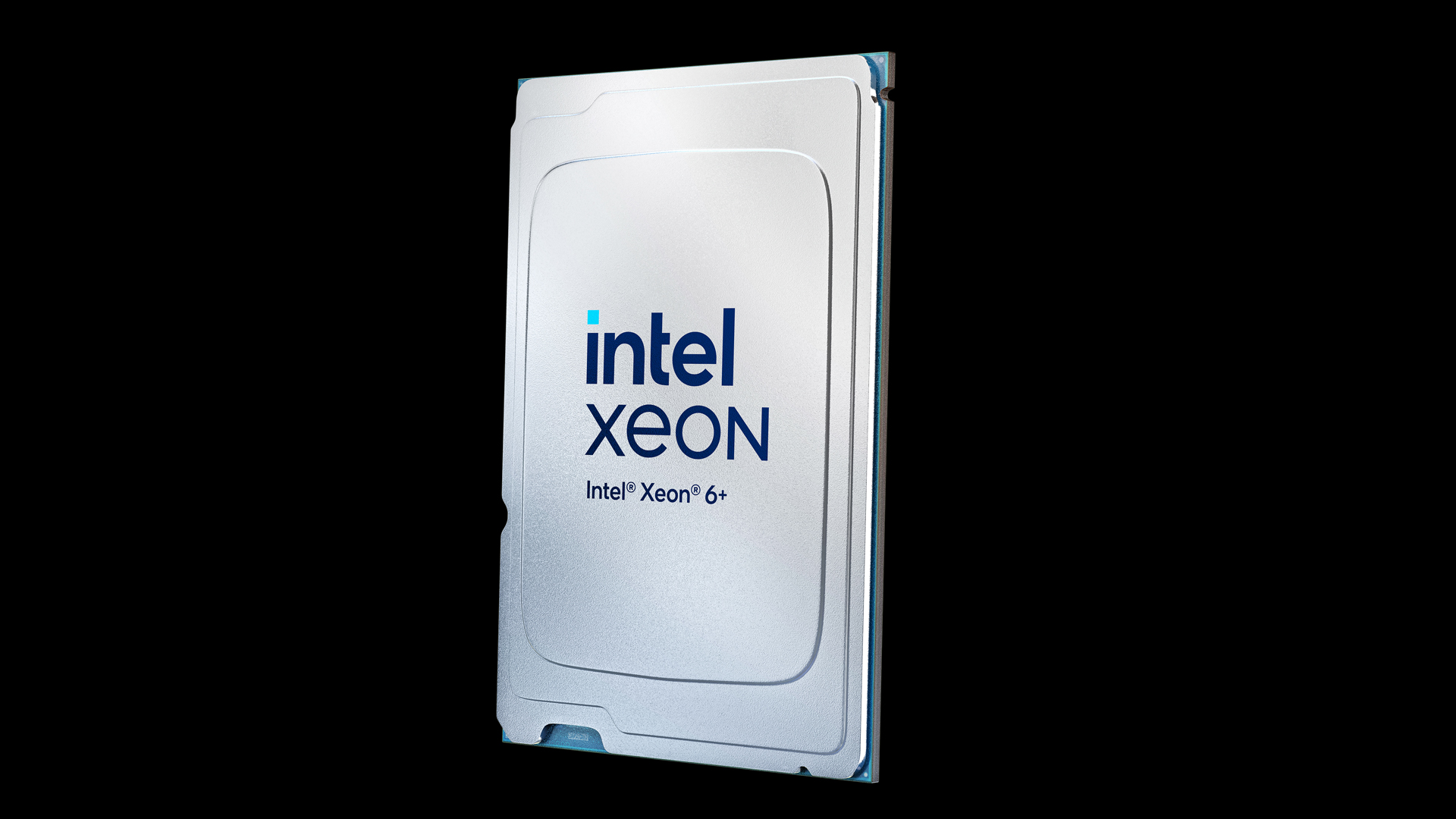
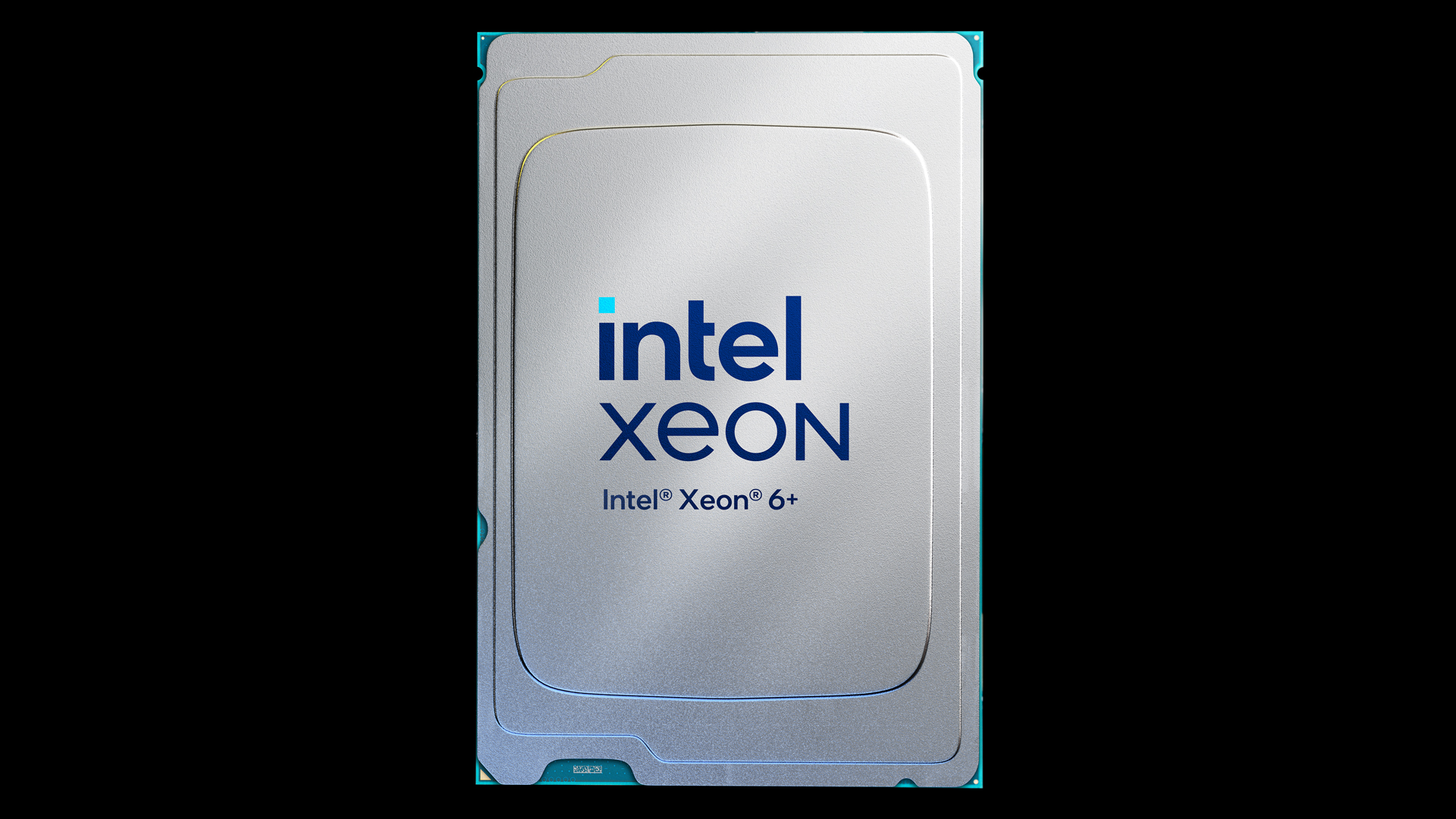
- Intel launches Intel Xeon 6+ processors with Efficient-cores, offering industry-leading rack density across data center workloads.
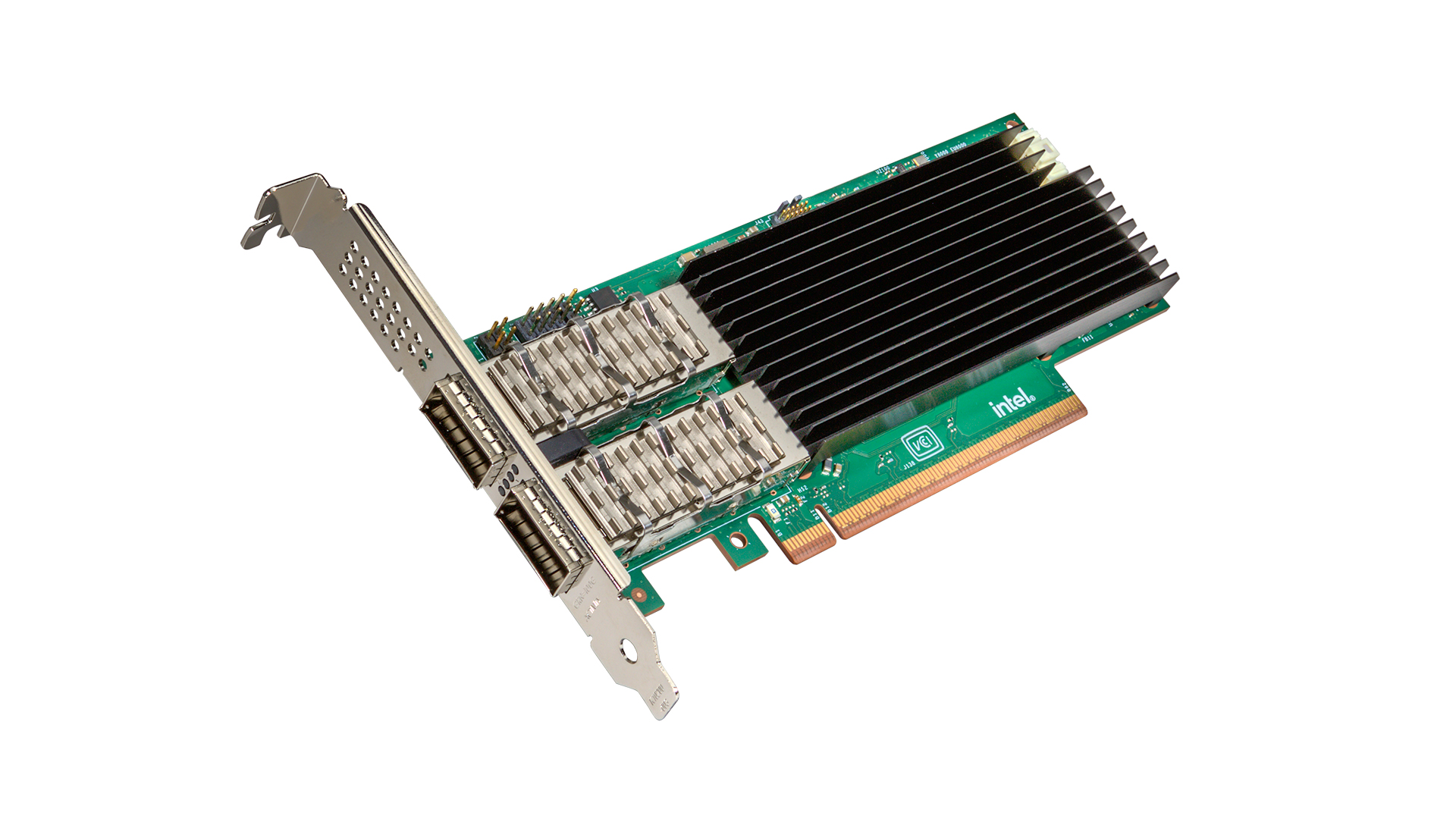
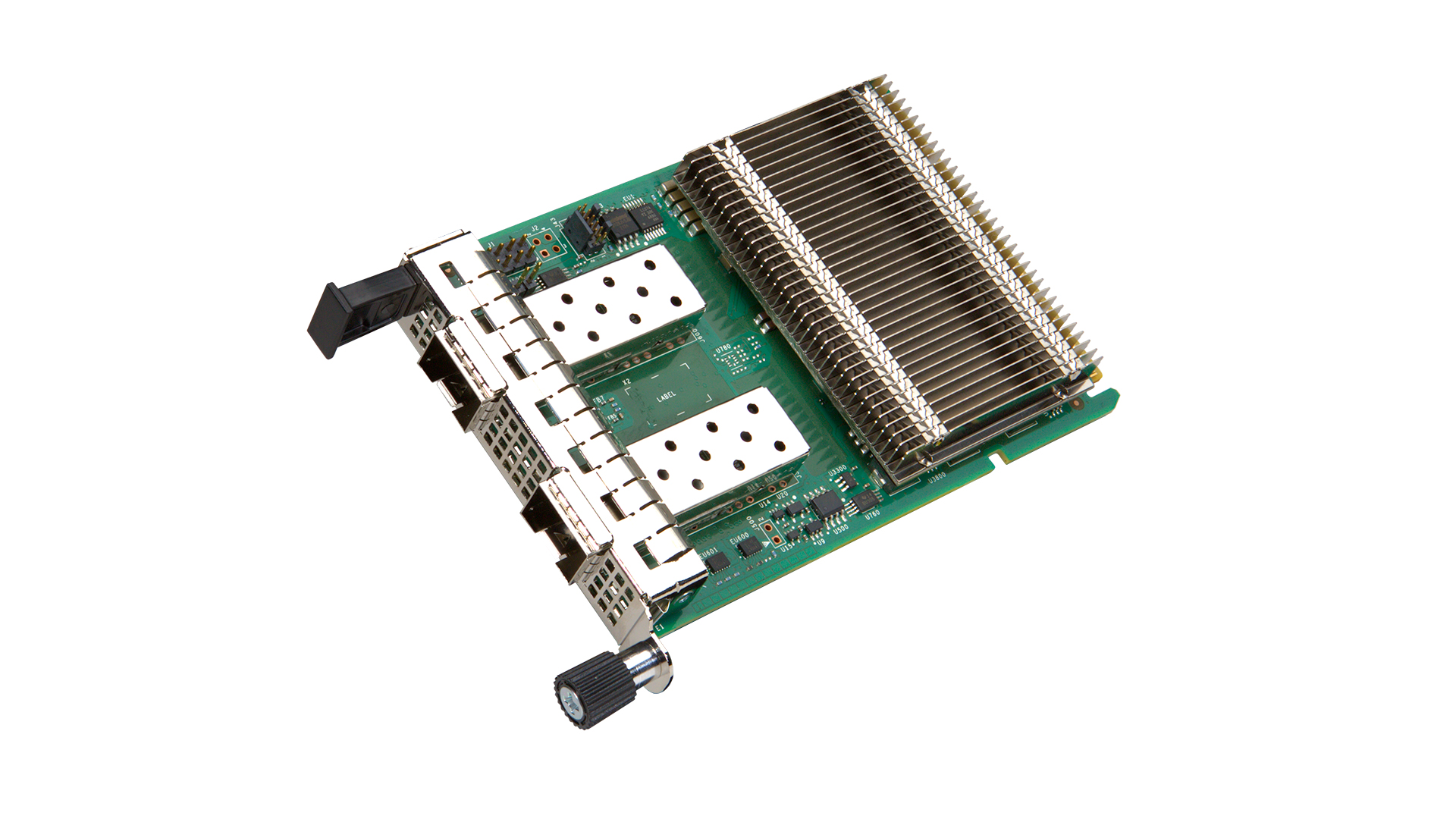
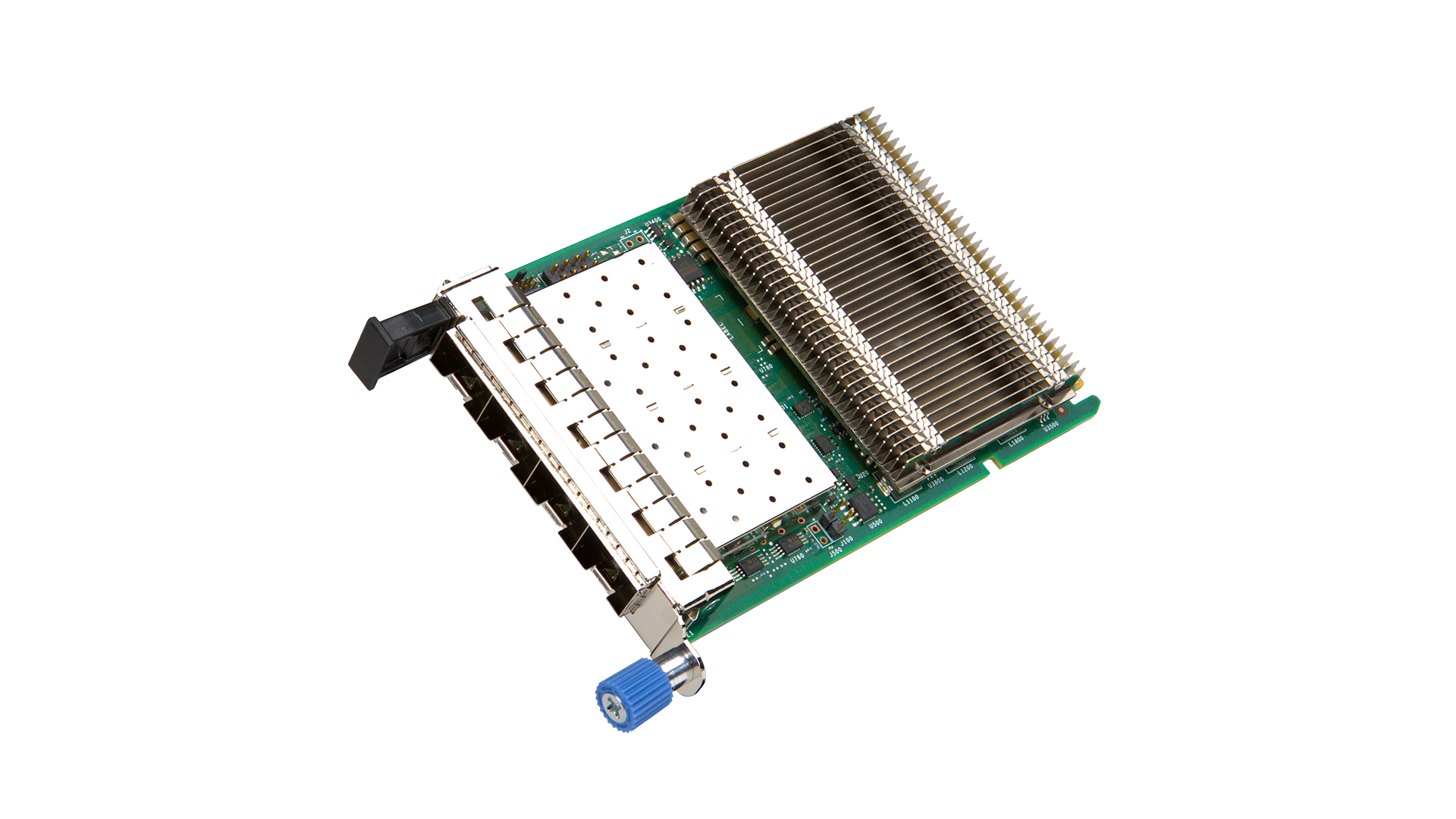
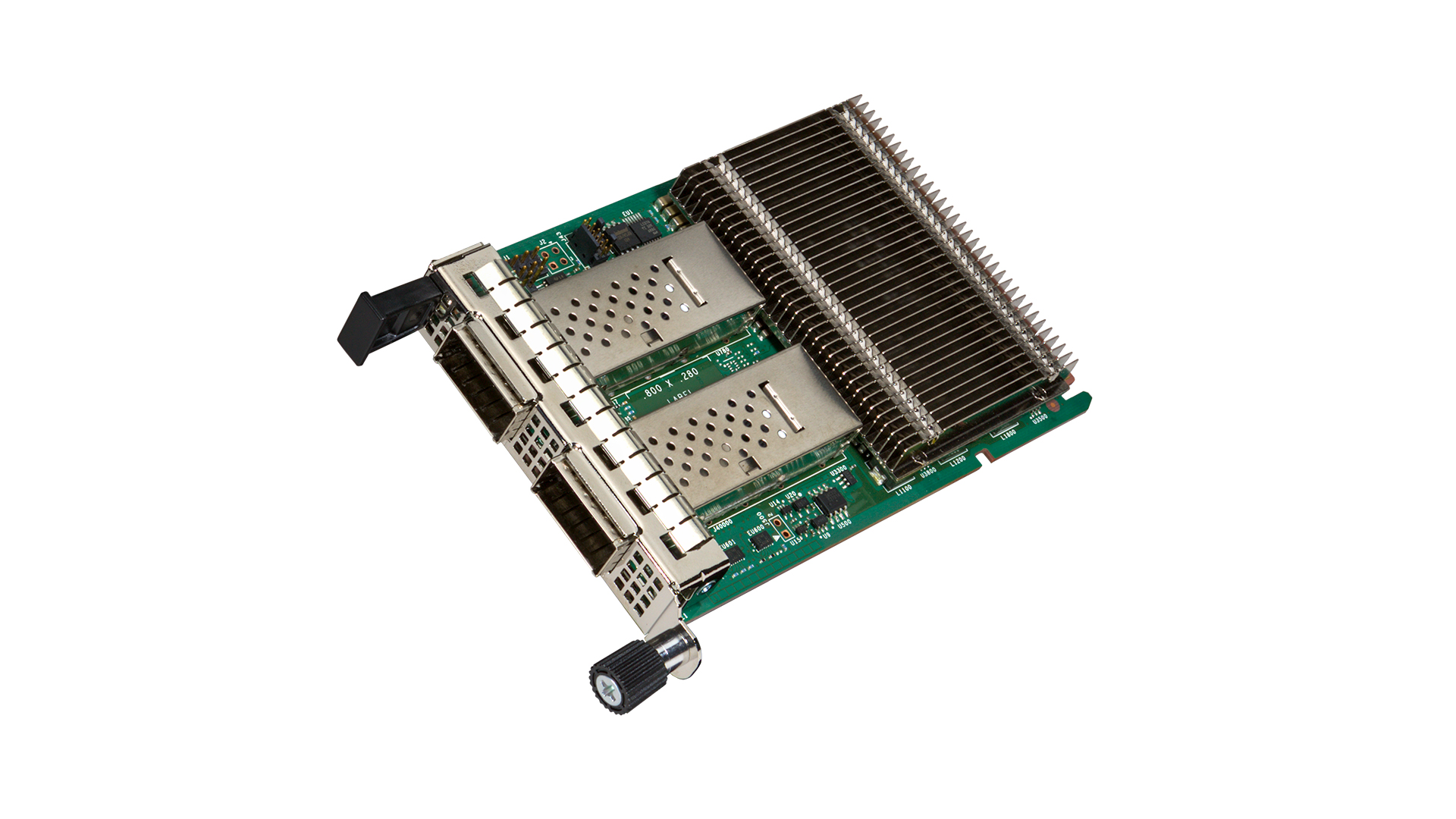
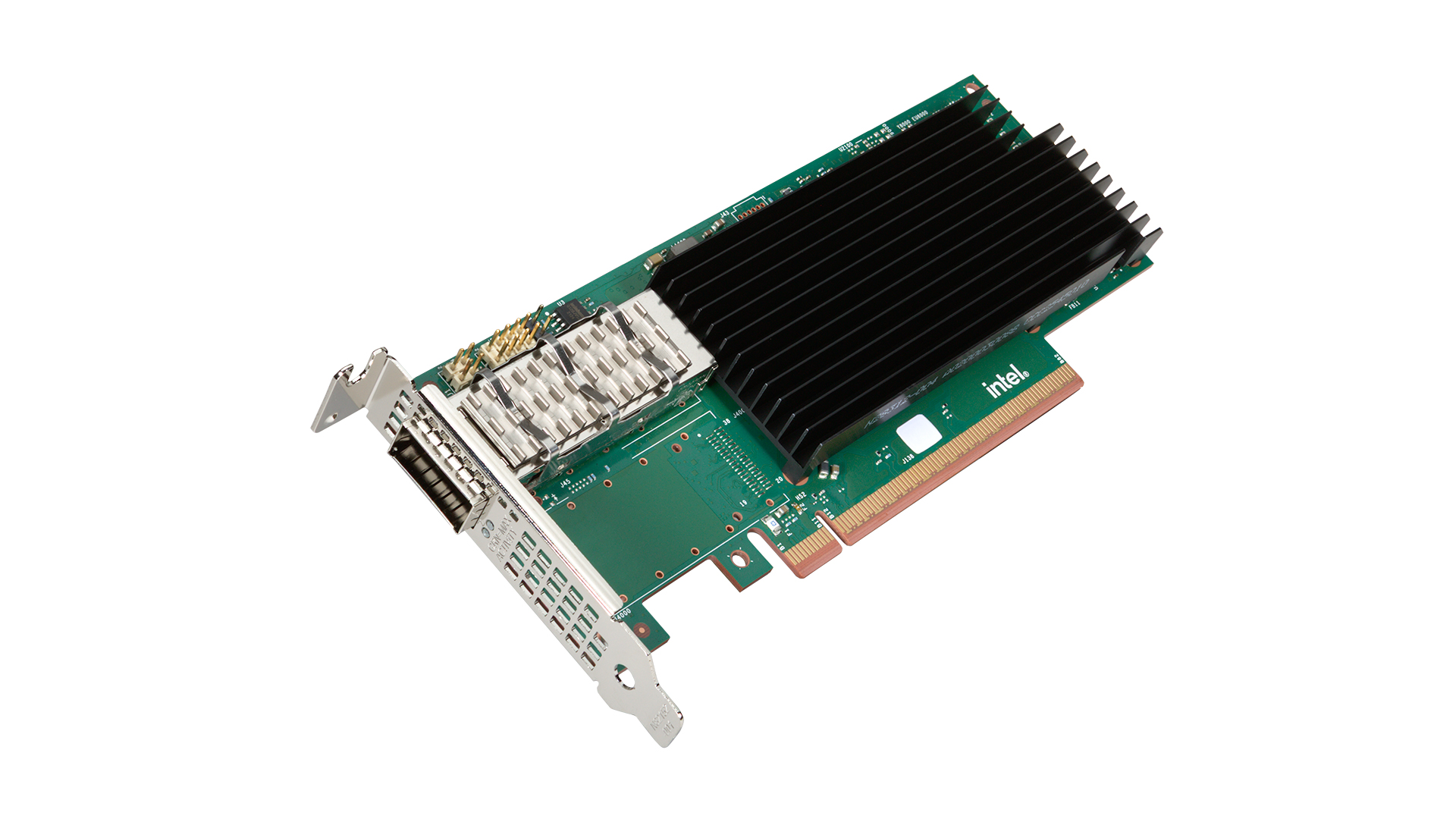
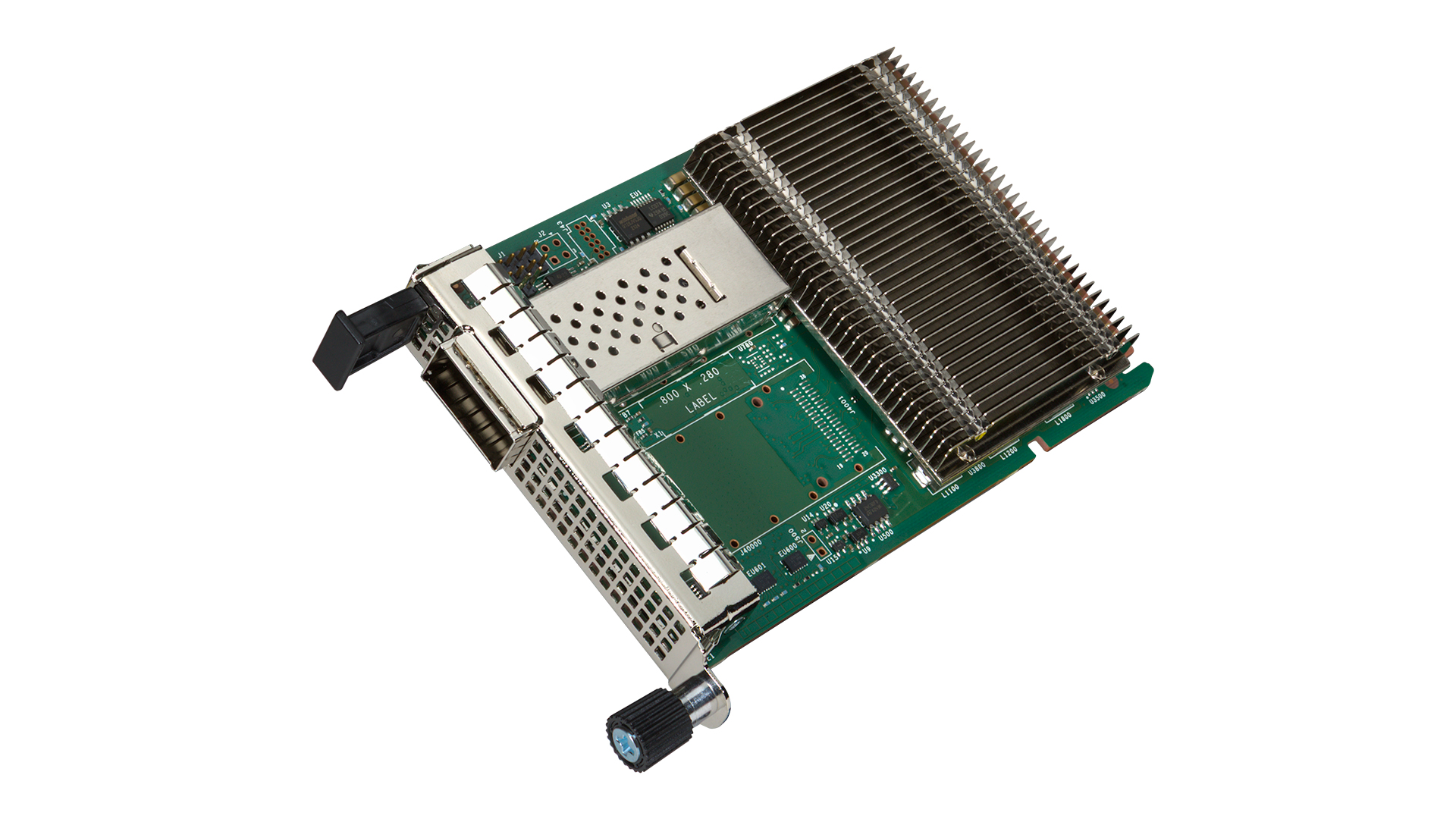
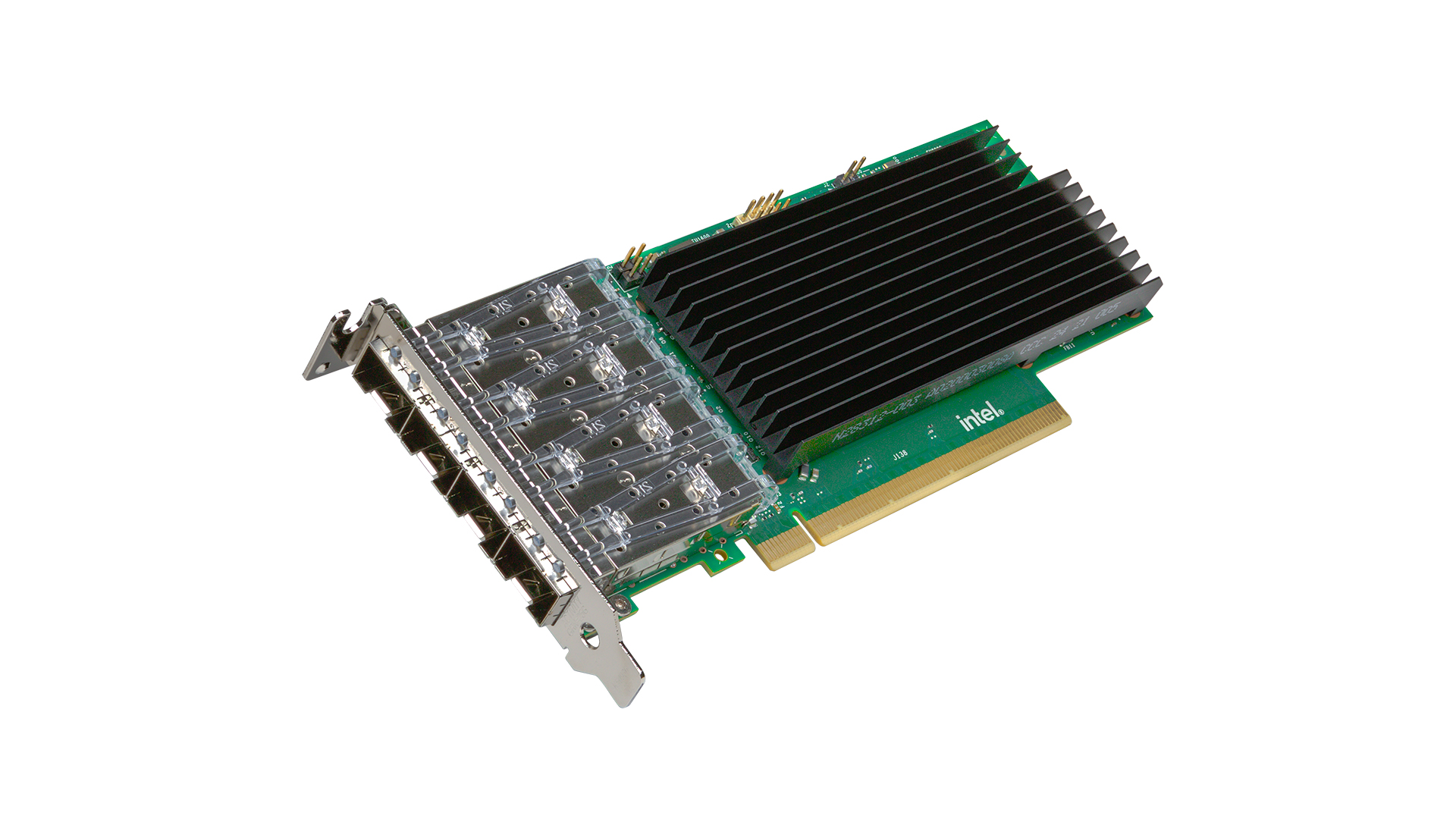
- Intel expands its 800 Series Ethernet portfolio with the Intel Ethernet E835 controllers and network adapters, scaling up to 200GbE and helping reduce networking bottlenecks for modern AI, cloud, and edge infrastructure.
- Intel broadens its Xeon portfolio for small and mid‑sized businesses with a new 12‑core Intel Xeon 6300 series processor that delivers higher performance for entry servers.
- Intel discloses additional technical details regarding its next‑generation data center GPU, code-named Crescent Island, specifically designed for agentic systems and addressing power and memory bottlenecks for customers.
Taipei – June 1, 2026 – Intel today announced a series of data center advancements, including new Intel Xeon 6+ processors, an expanded 800 Series Ethernet portfolio featuring the Intel Ethernet E835 controllers and network adapters, and continued progress on its AI accelerator roadmap, including updates on Crescent Island. Together, these developments highlight a clear industry shift: as AI becomes more agentic, the CPU is re‑emerging at the center of modern AI infrastructure. With Xeon serving as the control plane, Intel is taking a systems‑level approach to performance and efficiency at scale —delivering platforms designed for increasingly agentic AI workloads, where orchestration, data movement, and sustained inference are critical across data center and network environments.
“AI doesn’t scale as a collection of parts—it scales as a coordinated system,” said Kevork Kechichan, executive vice president and general manager of Intel Data Center Group. “As AI becomes more agentic, the constraints shift to orchestration, concurrency, and data movement. That shift reinforces a core reality: the CPU remains the control plane for the modern AI infrastructure. With Xeon 6+ and Ethernet E835, we’re tightly coupling compute and networking to reduce bottlenecks and enable efficient, secure scaling of real‑world agentic workflows.”
Introducing Intel Xeon 6+ Processors
Intel Xeon 6+ processors extend the Xeon 6 family with a focus on performance density, power efficiency, and operational scale for cloud‑native, agentic AI‑driven, and network‑intensive workloads. Built on Intel 18A —its first use in a data center CPU— Xeon 6+ is engineered for sustained performance under real‑world power constraints—addressing orchestration, concurrency and data movement demands of emerging agentic AI.
Optimized for environments where watts per rack, throughput per core, and latency predictability are critical, Xeon 6+ emphasizes scale‑out performance — making room for new AI workloads without requiring disruptive data center redesigns.
Key highlights include:
- Up to 288 Efficient-cores, delivering up to 2.5 times more performance1 compared to the previous generation, and up to 45% better performance per thread per watt2 versus the competition – enabling high concurrency and strong responsiveness for cloud-native, telecom, and agentic AI-driven workloads.
- 12‑channel DDR5 memory with scalable bandwidth for high‑density systems
- 96 lanes of PCIe Gen 5 and CXL support to accelerate data movement across heterogeneous infrastructure.
- Intel Application Energy Telemetry (AET) enables real-time workload-level CPU energy and activity telemetry, improving visibility into energy consumption at the workload-level starting with Intel Xeon 6+ processors.
- Up to 9:1 server consolidation3, reducing footprint and total cost of ownership vs. 2nd Gen Intel Xeon.
- Security built into silicon, including Intel SGX and Intel TDX, to support confidential and multi‑tenant deployments.
Intel Xeon 6+ processors are already being tested within telecom network infrastructures and configured into data center systems with platforms available across the ecosystem. These include servers, networking and integrated solutions from and used by ASUS, Dell Technologies, Ericsson, GIGABYTE, HPE, Lenovo, Supermicro – and others developing on Xeon 6+ today.
This growing portfolio reflects Intel’s systems‑first approach—delivering deployable, available‑now infrastructure for running, scaling, and orchestrating increasingly agentic AI workloads on x86. Paired with complementary Xeon platforms optimized for both high‑density throughput and single‑thread performance, Intel’s customers and partners can balance efficiency and responsiveness by distributing workloads across a proven, broad, mature hardware and software ecosystem.




Intel Ethernet E835: High-Efficiency Networking for Next-Gen Infrastructure
As AI, cloud, and distributed workloads continue to scale, networking has become a critical determinant of overall infrastructure performance and efficiency. The Intel Ethernet E835 controllers and network adapters are designed to deliver performant, power-efficient connectivity for modern data center, enterprise, edge, and AI environments.
The Intel Ethernet E835 provides the scalability and efficiency required for next-generation infrastructure while maintaining industry-leading performance-per-watt. Designed for dense, virtualized deployments, the E835 helps reduce energy consumption and operational costs without compromising throughput or reliability.
Key highlights include:
- Flexible Connectivity: Delivers 200 GbE throughput with multiple controller and adapter configurations supporting data rates from 10GbE to 200GbE. The 835 supports a broad range of port configurations, including 2x25GbE, 4x25GbE, 2x100GbE, and 1x200GbE, with additional configurations enabled through the Intel Ethernet Port Configuration Tool (EPCT).
- Industry-leading Power Efficiency: Engineered for high performance-per-watt, Intel E835-CQDA2 network adapter delivers up to 1.9 times higher performance per watt than the comparable NVIDIA ConnectX-6 DX (CX614106A) and 1.4 times higher than Broadcom BCM957508-P2100G, lowering energy consumption and operational costs of modern distributed environments.*
- Network Optimization: Implements RDMA (RoCEv2/iWARP) to reduce CPU utilization and maximize efficiency - and Dynamic Device Personalization to streamline packet processing and improve application performance.
- Security & Management: Integrates Hardware Root of Trust and signed SPDM with DMTF-based manageability for secure, deterministic operations.
- Broad Compatibility: Supports multiple operating systems including Linux, ESXi and Windows.
- 10+ Year Lifecycle: Built for long-term reliability and support.
With broad support from industry leaders—including Cisco, Dell, HPE, Lenovo, and Supermicro—the Intel Ethernet E835 provides an efficient and manageable networking fabric. From AI training to enterprise cloud services, the E835 delivers the scalability, reliability and high-efficiency features required for the next generation of networking.
Pricing and availability vary by configuration, with recommended pricing on intel.com/ethernet.

More Performance for SMB Entry Servers
Intel also announced the general availability of a new 12‑core option in the Intel Xeon 6300 processor family for entry servers that raises the platform ceiling beyond 8 cores for the first time. The added core count provides greater compute power and flexibility for growing SMB workloads—without requiring a platform change.
Available today through major OEMs, the Xeon 6300 12‑core processor is drop‑in compatible with existing entry server designs, enabling fast, cost‑effective upgrades.
Crescent Island: Building Momentum in AI Inference
To meet the growing demands for agentic AI—memory capacity, bandwidth and efficiency are emerging as critical differentiators alongside performance. Purpose-built to address these needs, Intel's next-generation data center GPU, code-named Crescent Island, built on the Xe 3P architecture extends the proven Xe architecture delivering enhanced efficiency and performance-per-watt while maintaining broad software compatibility for modern AI workloads.
Equipped with LPDDR5x memory, Intel’s Crescent Island delivers up to 480 GB capacity to efficiently handle large, token-intensive workloads while reducing total cost of ownership. Its power efficient 350W air‑cooled PCIe design enables highly efficient scaling for agentic AI with strong performance-per-watt.
Leveraging a multi-generational Xe install base, Intel’s Crescent Island is designed for next generation AI workloads with support for a wide range of datatypes and microscaling formats, from native FP4/MXFP4 to FP64, including expanded support for advanced AI operations and improved memory and scalability.
Intel's open programmable AI software stack supports a heterogeneous compute platform designed to reduce friction and enable AI deployment at scale by providing out-of-the-box model support with an upstream-first approach. Built on the same Xe architecture foundation, Intel’s Arc Pro Series provides an ideal development platform allowing developers to build, validate and optimize workloads on familiar hardware and seamlessly deploy on Crescent Island with forward and backward compatibility.
About Intel
Intel (Nasdaq: INTC) is an industry leader, creating world-changing technology that enables global progress and enriches lives. Inspired by Moore’s Law, we continuously work to advance the design and manufacturing of semiconductors to help address our customers’ greatest challenges. By embedding intelligence in the cloud, network, edge and every kind of computing device, we unleash the potential of data to transform business and society for the better. To learn more about Intel’s innovations, go to newsroom.intel.com and intel.com.
The Small Print:
Performance varies by use, configuration and other factors. Learn more at www.intel.com/PerformanceIndex.
- See [9D23] at intel.com/processorclaims: Intel® Xeon® 6+. Results may vary.
- See [W223] at intel.com/processorclaims: Intel® Xeon® 6+. Results may vary.
- See [9W020] at intel.com/processorclaims: Intel® Xeon® 6+. Results may vary.
*Visit www.intel.com/PerformanceIndex Ethernet Section for workloads and configurations. Results may vary.
Related Posts
 Data Center
Intel Introduces Ethernet E835 Controllers and Network Adapters for Cloud, Edge and Enterprise Data Center Infrastructure
Designed to meet the bandwidth and scalability demands of high-density environments across Data Center, Enterprise, AI and Telco Mobile Core applications.
June 2, 2026
Artificial Intelligence
Computex 2026: An Intelligent World Built on Silicon
Live from Lip-Bu Tan's Keynote at Computex 2026
June 2, 2026