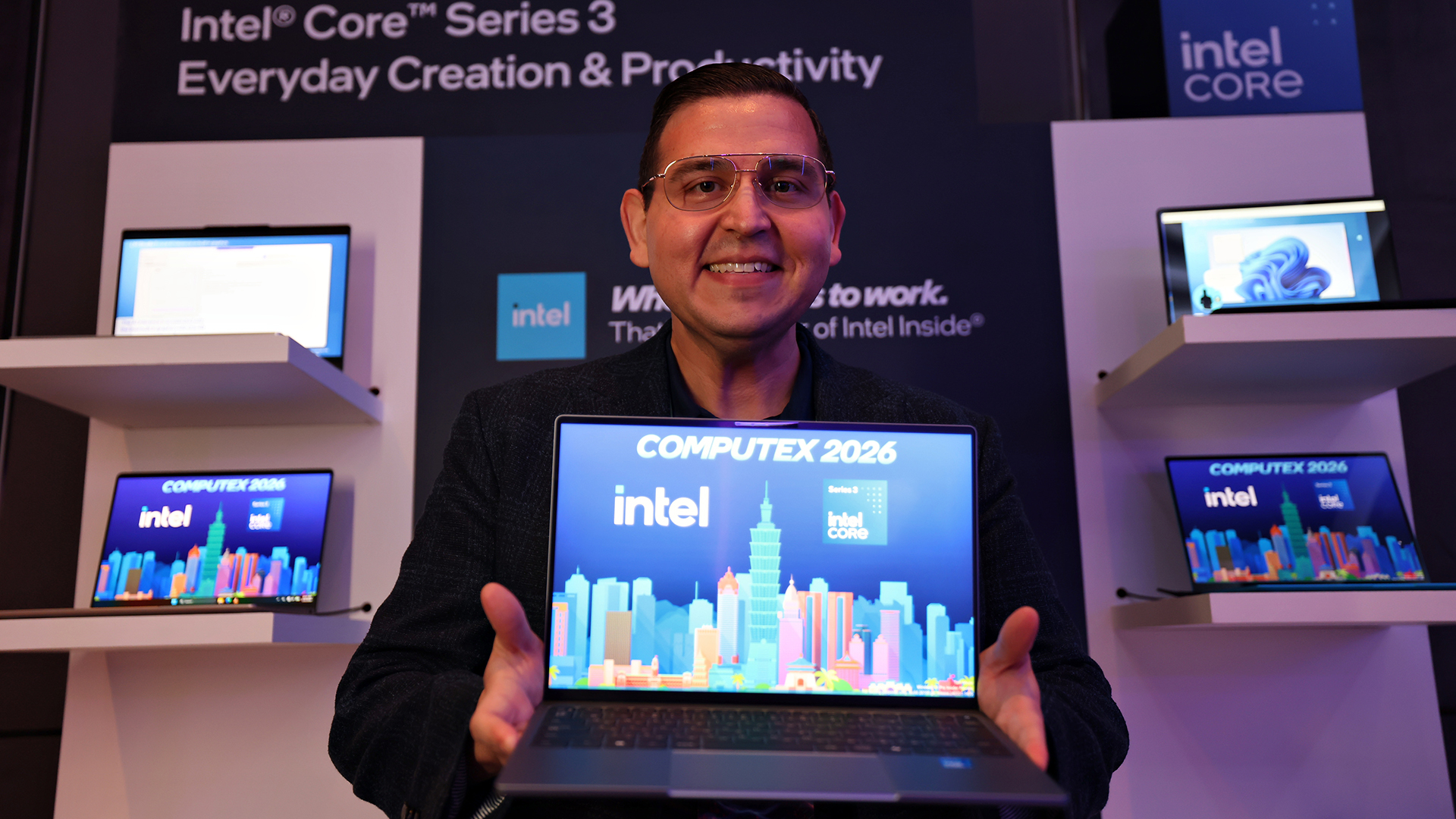
Intel Launches Intel Core Series 3 Processors: Changing the Game for Everyday Computing
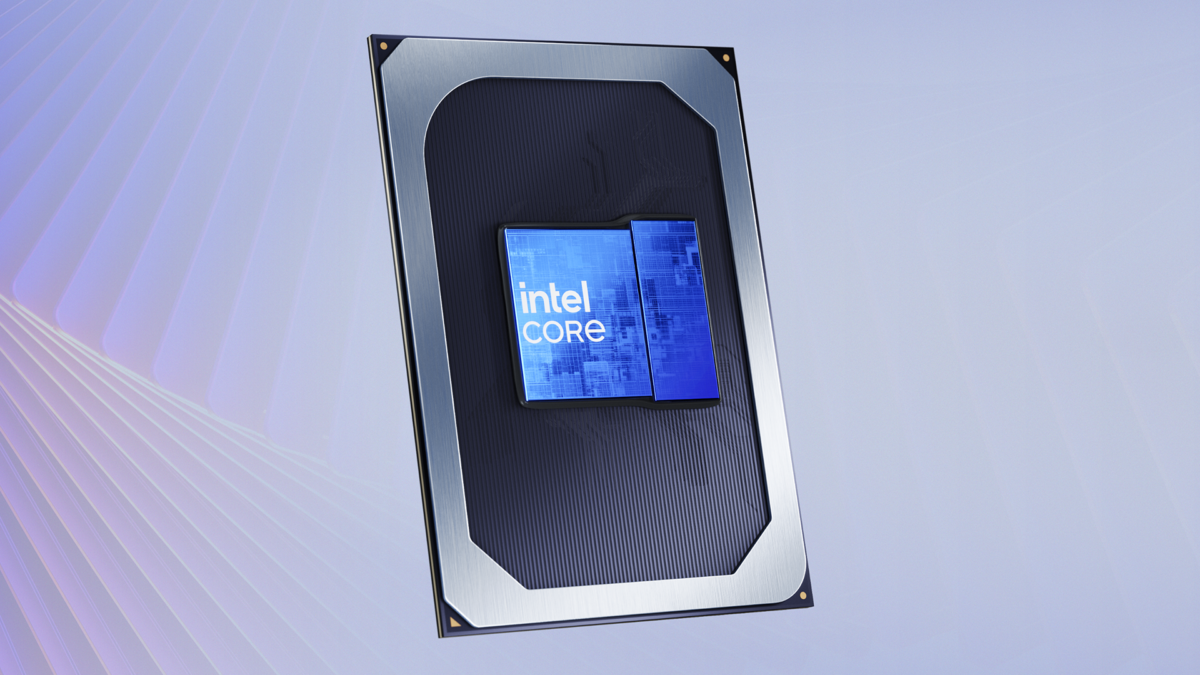
Intel® Core™ Series 3 brings advanced features and Intel’s latest architectures to value buyers, commercial and essential edge devices
What’s New: Intel® today unveiled its new Intel Core™ Series 3 mobile processors, bringing advanced performance, exceptional battery life, and AI-ready to value buyers, commercial and essential edge devices.
Purpose-engineered for value, Intel Core Series 3 is built on the proven foundations of Intel Core Ultra Series 3 (code-name Panther Lake) and manufactured on the Intel 18A process node technology, the most advanced logic node developed and manufactured in the United States. The new processors are designed to transform computing for schools, small businesses, and value buyers, delivering the features people care about at unmatched scale. Over 70 designs from leading partners offering a choice of features and form factors will launch in the coming months.
“At a time when prices are rising and expectations are shifting, Intel Core Series 3 elevates value-orientated computing with exceptional battery life, boosted AI-ready performance, and broad ecosystem choice. By delivering the latest IP with modern, purpose designed silicon and right-sized performance, we’re expanding access to better technology that meets the real-world needs of students, families, small businesses, and edge deployments at a scale that no other company can match.”
– Josh Newman, General Manager and Vice President of Consumer PC, Client Computing Group
What It Offers: Intel Core Series 3 presents an unmatched upgrade opportunity for small businesses and home users on a typical five-year upgrade cycle. Versus a five-year-old PC, Intel Core Series 3 delivers up to 47% better single thread performance1, up to 41% better multi thread performance2, and up to 2.8x better GPU AI performance3. These gains enable a new class of systems that raise expectations for what everyday computing can deliver.
Other notable new specifications and features include:
- Intel Core Series 3 is Intel’s first hybrid AI-ready Core Series processor, supporting AI workloads with up to 40 platform TOPS.
- Support for modern connectivity, including up to two integrated Thunderbolt™ 4 ports, Intel® Wi-Fi 7 (R2), and Intel® Bluetooth® 6.
- Intel Core Series 3 is designed for all day battery life4 and everyday productivity, with up to 2.1x faster creation and productivity5, up to 64% lower processor power6, and up to 2.7X AI GPU performance versus previous generation Intel Core 7 150U processors7.
Beyond the laptop, Intel Core Series 3 brings Intel innovation to essential edge deployments—from robotics and smart buildings to point-of-sale (POS) terminals and smart metering—delivering the right balance of performance, AI capability, and power efficiency for diverse real-world use cases.
Intel Core Series 3 processors scale from top-tier edge intelligence with integrated AI acceleration for vision and speech AI down to essential edge compute with cost-optimized, reliable compute. Compared to Nvidia Jetson Orin Nano, Intel Core 7 350 delivers up to 1.5x higher object detection performance8, up to 1.9x faster image classification9, and up to 2.2x higher performance for video analytics10.
When It’s Available: Intel Core Series 3 powered systems for consumer and commercial will be available from our OEM partners throughout the year, starting today, April 16, 2026. Refer to your preferred OEM vendor for specific system availability. Edge systems powered by Intel Core Series 3 will be available starting Q2 2026.
Partner systems launching today and later this year include:
Acer
Asus
- ASUS Vivobook 14/15/17 (available in Q2)
- ASUS Vivobook S14/S16 (available in Q3)
- ASUS ExpertBook B5 Flip (available in 2H)
- ASUS ExpertBook B3 G2 (available in 2H)
- ASUS ExpertBook P3 G2 (available in 2H)
Colorful
Dell Technologies
Hasee
Haier
Honor
HP
Infinix
Lenovo (Coming Soon)
Mi
Mechrevo
MSI
Positivo
Samsung (Coming Soon)
Tecno
Wiko
More Context: Intel Core Series 3 Press Deck | Intel Core Series 3 Product Page | AI Playground Essentials for Intel Core Series 3
The Small Print:
Performance varies by use, configuration and other factors. Learn more at www.intel.com/PerformanceIndex.
While Wi-Fi 7 is backward compatible with previous generations, new Wi-Fi 7 features require PCs configured with Intel Wi-Fi 7 solutions, PC OEM enabling, operating system support, and use with appropriate Wi-Fi 7 routers/APs/gateways. 6 GHz Wi-Fi 7 may not be available in all regions. More details at www.Intel.com/performance-wireless.
1-10 See press deck appendix for configuration details.
1 As measured by Cinebench 2024 Single Core. Intel Core 7 360 (PL1=15W) tested in Intel reference platform vs. Intel Core i7-1185G7 tested in Lenovo ThinkPad X1 Gen9 14 (PL1=20W). Results may vary.
2 As measured by Cinebench 2024 Multi Core. Intel Core 7 360 (PL1=15W) tested in Intel reference platform vs. Intel Core i7-1185G7 tested in Lenovo ThinkPad X1 Gen9 14 (PL1=20W). Results may vary.
3 As measured by Geekbench AI 1.6 GPU FP16. Intel Core 7 360 (PL1=15W) tested in Intel reference platform vs. Intel Core i7-1185G7 tested in Lenovo ThinkPad X1 Gen9 14 (PL1=20W). Results may vary.
4 "Designed for All Day Battery Life": refers to laptops powered by Intel® Core™ Series 3 processors with minimum battery size and power efficient designs that leverage Intel's latest architecture, advanced compute technology and power optimizations that combine to deliver extended battery life while performing office multitasking, video playback, web browsing, and standby time in a typical consumer PC usage scenario and realistic environment.
5 As measured by UL Procyon AI Computer Vision benchmark using OpenVINO; UL Procyon Office Productivity Overall Score; PugetBench Lightroom Classic; Cinebench 2026 Single Thread; PugetBench Photoshop; WebXPRT 5 (Chrome v.145). Intel Core 7 360 (PL1=15W) tested in Intel reference platform vs. Intel Core 7 150U (Raptor Lake Refresh, PL1=15W) tested in Intel reference platform. Results may vary.
6 As measured by processor power during YouTube 4K streaming workload. Intel Core 7 360 (PL1=15W) tested in Intel reference platform vs. Intel Core 7 150U (Raptor Lake Refresh, PL1=15W) tested in Intel reference platform. Results may vary.
7 As measured by Geekbench AI 1.6 GPU FP16. Intel Core 7 360 (PL1=15W) tested in Intel reference platform vs. Intel Core 7 150U (Raptor Lake Refresh, PL1=15W) tested in Intel reference platform. Results may vary.
8 As measured by inferences per second with yolo_v5m, INT8, BS8, TDP = 15W with GPU. Performance varies by use, configuration and other factors.
9 As measured by inferences per second with mobilenet-v2, INT8, BS8, TDP = 15W with GPU. Performance varies by use, configuration and other factors.
10 As measured by video streams at 1080p30, TDP = 15W. Medium AI Pipeline: Media Decode (1080p30 HEVC) + Preprocessing + Yolov5m_640x640 @ 10fps + Tracking + Resnet-50 @ 10 ips. Reference workload available on Github. https://github.com/open-edge-platform/edge-workloads-and-benchmarks. Performance varies by use, configuration and other factors.
Related Posts
 Client Computing

Intel-Powered Medical Exoskeleton Helps Patients Get Back on Their Feet
From muscle signals to movement: AI reimagines and speeds recovery.
July 17, 2026
Client Computing
Three ways Intel and MSI co-engineered the world’s first Arc G3 handheld
Three generations across two years with one goal: bringing high-performance handheld gaming to life
June 30, 2026