
Intel, Dell Technologies and Nokia Redefine UPF Deployment at the Far Edge

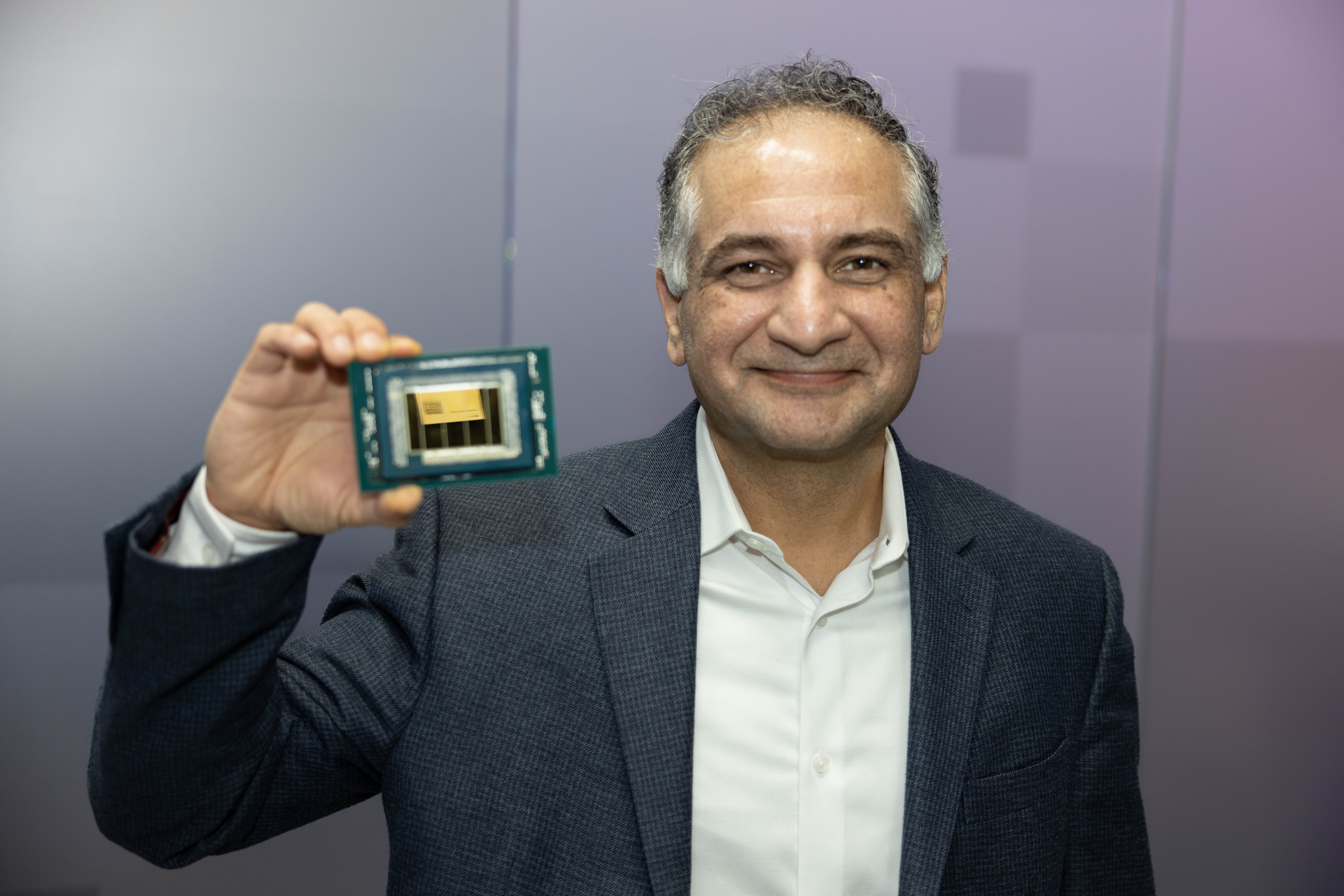
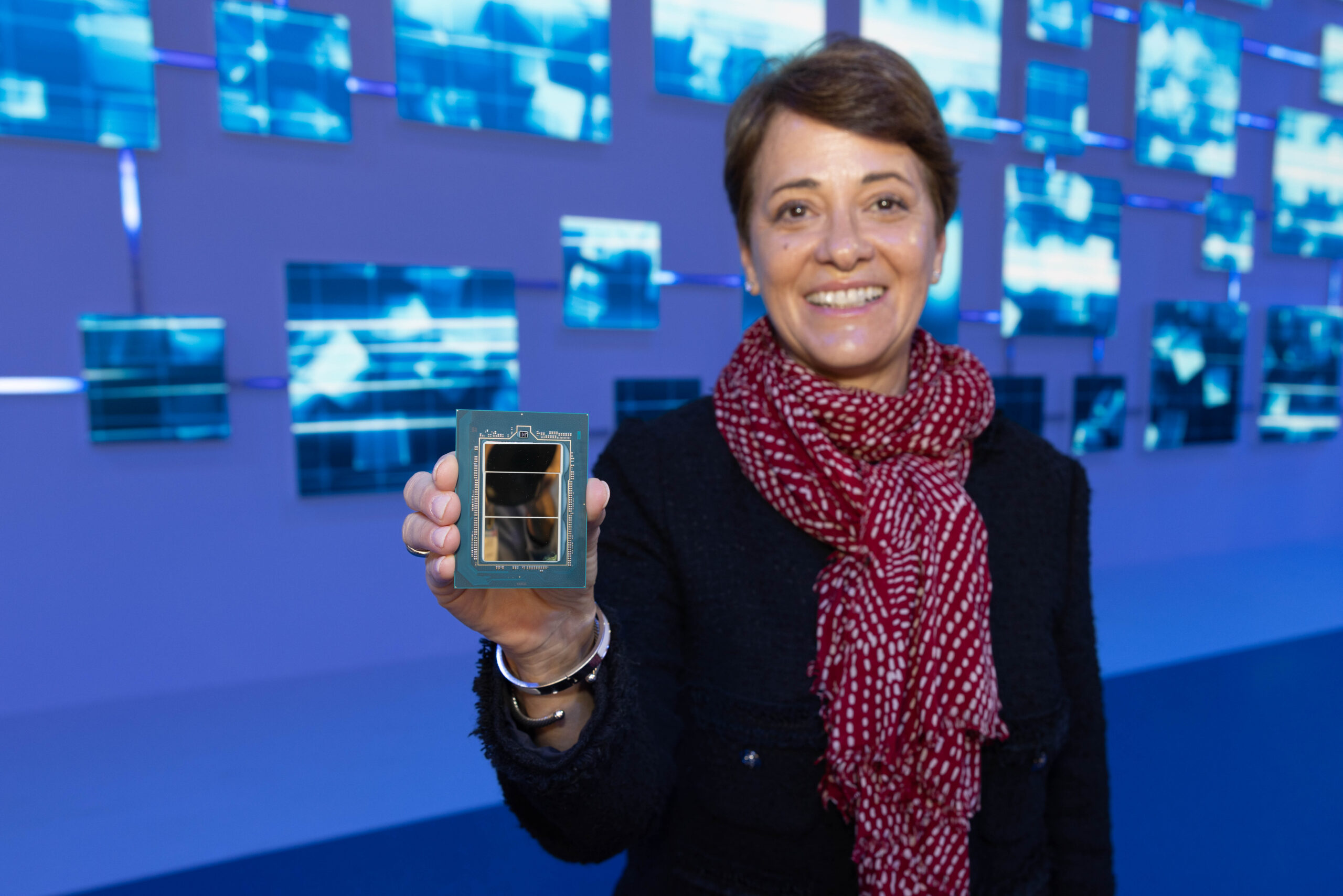
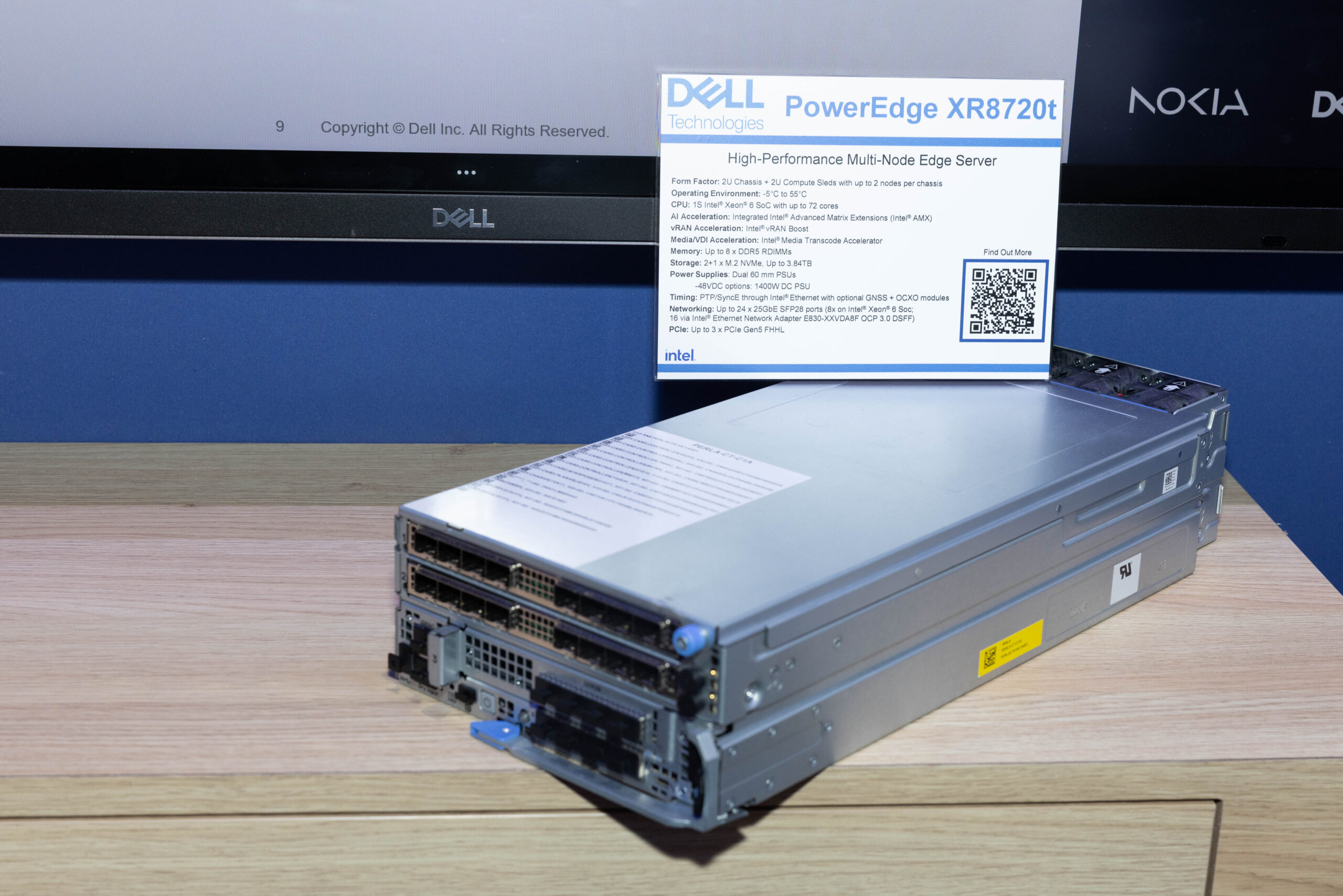
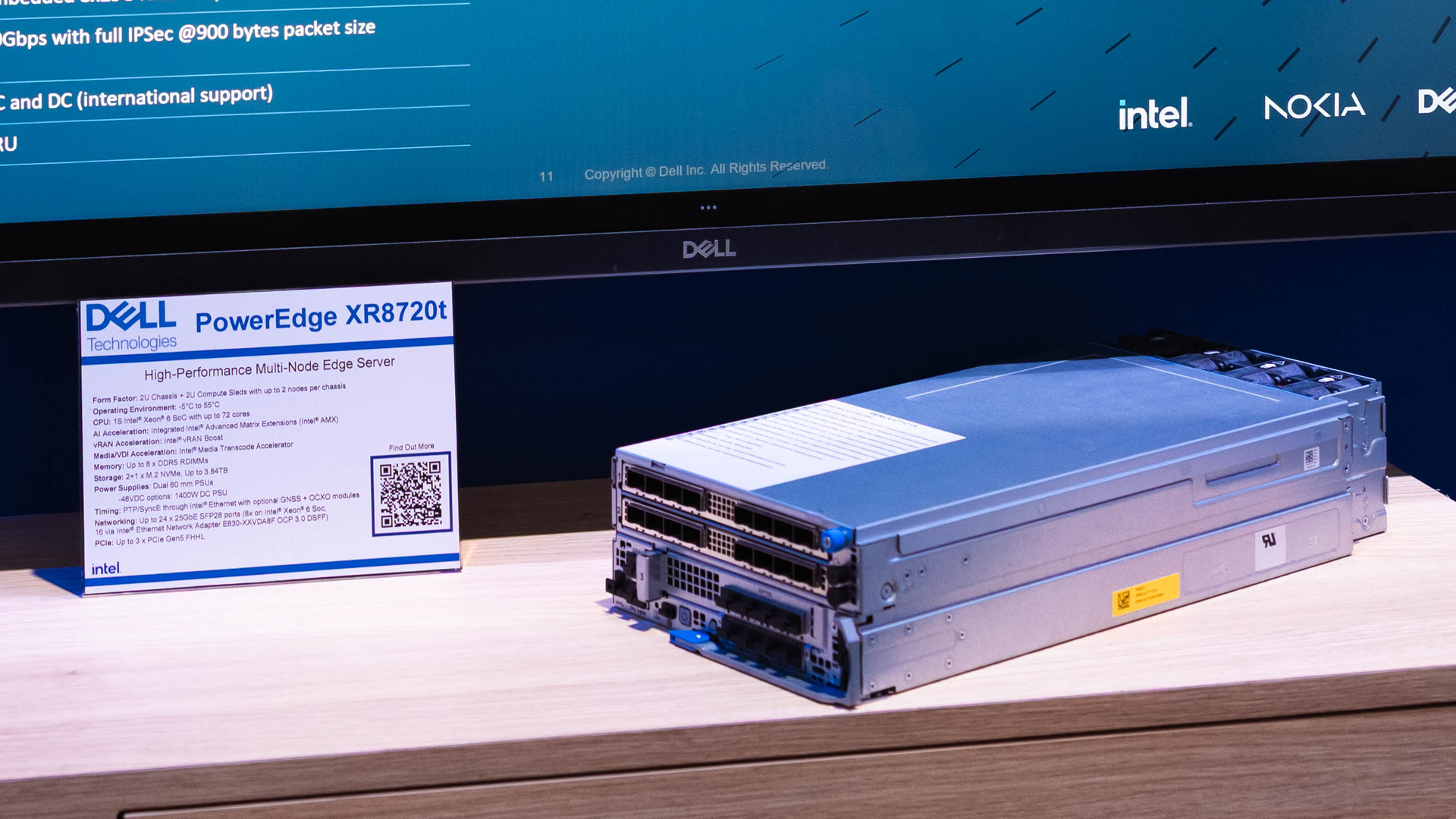
Dell PowerEdge XR8000 with Intel® Xeon™ 6 SoC delivers high-performance UPF compute to rugged, space‑ and power‑constrained 5G edge environments.
Traditional centralized cloud clusters work well for dense metropolitan hubs. But to serve entire regions – including suburbs, industrial zones and remote sites – telecom operators (telcos) need a more flexible, distributed architecture.
Smaller, strategically placed edge units bring compute closer to users, boosting agility, responsiveness and coverage across a much wider footprint.
Nokia Edge Appliances offers high performance in a low footprint solution
A rapidly growing share of enterprise data is now processed at the far edge.
Moving workloads from massive, centralized data centers to local edge sites near end customers is transforming how networks are built and operated. For telecommunications providers, this shift creates a new balancing act: meeting strict performance and latency targets while scaling capacity to handle ever-rising traffic and new real-time applications.
At Mobile World Congress 2026 in Barcelona, Intel, Nokia and Dell previewed a new edge-based UPF (User Plane Function) device that offers a high performance, low-footprint solution for highly distributed network edge locations.
Powering Nokia Edge Appliances is an Intel® Xeon™ 6 (Granite Rapids-D) that introduces new AI capabilities for enterprise far-edge locations and service provider far-edge nodes.
It will be available at the beginning of Q3, 2026.
"The telecommunications landscape is undergoing a profound transformation, with enterprise data increasingly processed at the edge. This shift demands a new generation of distributed architecture that deliver unparalleled agility, consistent coverage, and stringent performance,”
- Gordon Milliken, Head of Packet Core Product Management, Nokia.
“With our Nokia Appliance, powered by the Intel Xeon 6 SoC, we are directly addressing these needs, bringing high performance, low power consumption, and integrated AI capabilities directly to the edge, enabling our customers to unlock new possibilities," said Milliken.
“We are delighted that Nokia’s NFVI 5.0 Cloud Core Solution based on Intel Xeon 6 E-Cores is now complemented by a far edge UPF solution based on Xeon 6 SOCs,” shared Chandresh Ruparel, General Manager, Wireline and Core Network Division Intel.
“As AI accelerates the transformation of mobile communications and changes how data flows through the network, we are helping our customers rearchitect their networks while balancing power and performance needs without the complexity of rip-and-replace upgrades,” Ruparel added.
Numerous benefits that improve data processing capacity at reduced costs
The new Edge UPF – the result of a collaboration between Intel, Nokia and Dell – provides telcos with multiple benefits that span numerous vectors that network providers care about.
They include:
- Flexible capacity: Scalable to handle large data volumes with high-speed connectivity
- Cost-effectiveness: Resources are optimized independently for the Control Plane and User Plane functions.
- High performance: A 30% performance boost of the 5G core UPF improves overall user experience.
- Energy savings: Significant energy consumption reduction through optimized hardware and software. (43% run-time CPU power savings with Nokia 5G UPF)
- Reduced latency: Data travel distance is minimized for faster response times.
- Increased reliability: Network resilience is enhanced through far edge distribution.
- Local service enablement: Localized services is enabled for specific business needs.
Related Posts
 5G & Wireless
New Smart City Pilot Network to Bridge Digital Divide for 50 U.S. Cities
Powered by Intel edge infrastructure, a local California network demonstrates how micro-servers can deliver high-speed connectivity at a low cost.
June 9, 2026
5G & Wireless

Postcard from MWC 2026: A Solid 5G Foundation Today Paves the Path to Seamless 6G Tomorrow
Intel and Partners Preview a 6G Future That’s AI-ready, More Secure & Highly Efficient
March 3, 2026