Intel Core Ultra Series 3: The New Standard for Edge AI Robotics Compute
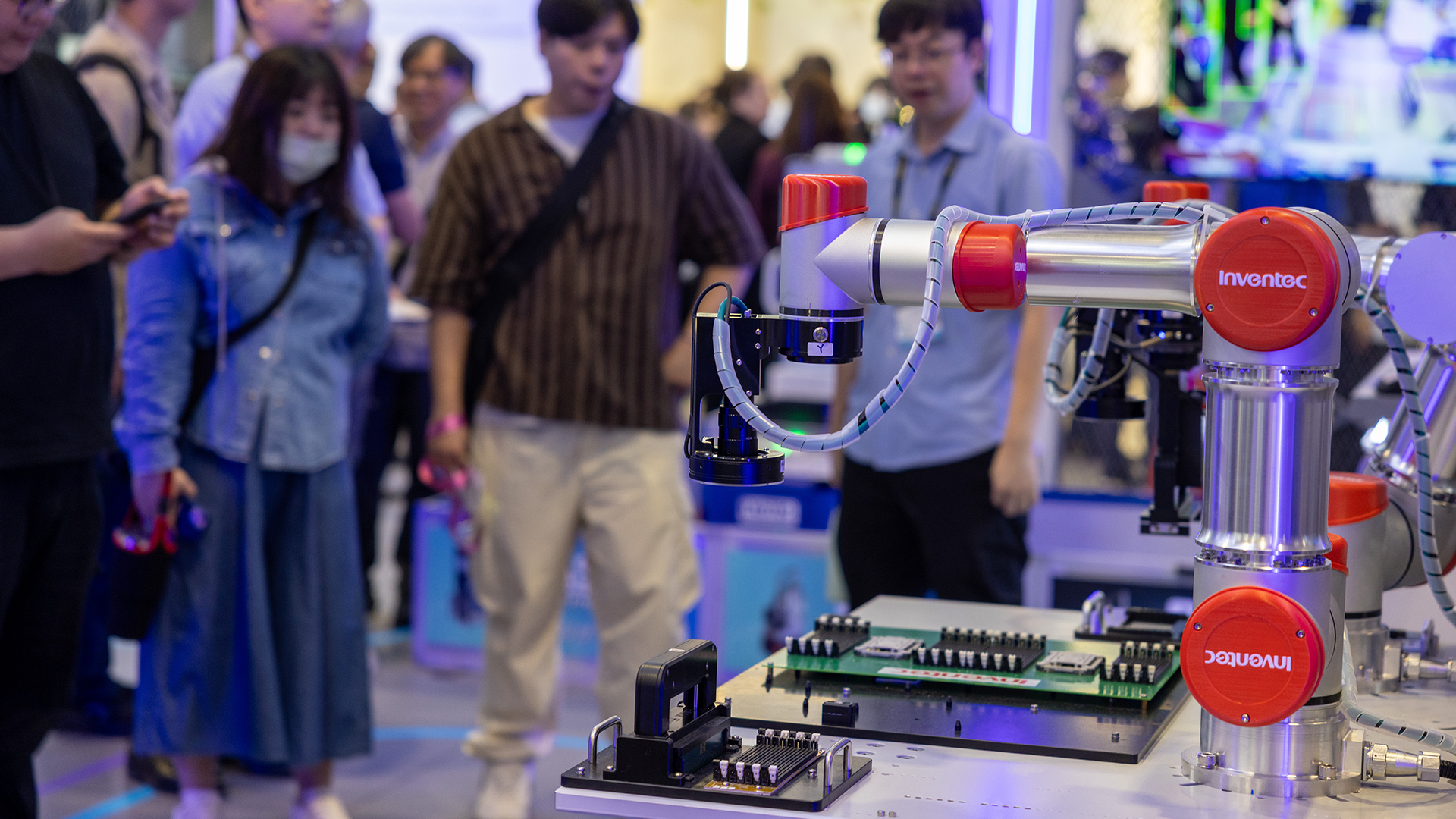
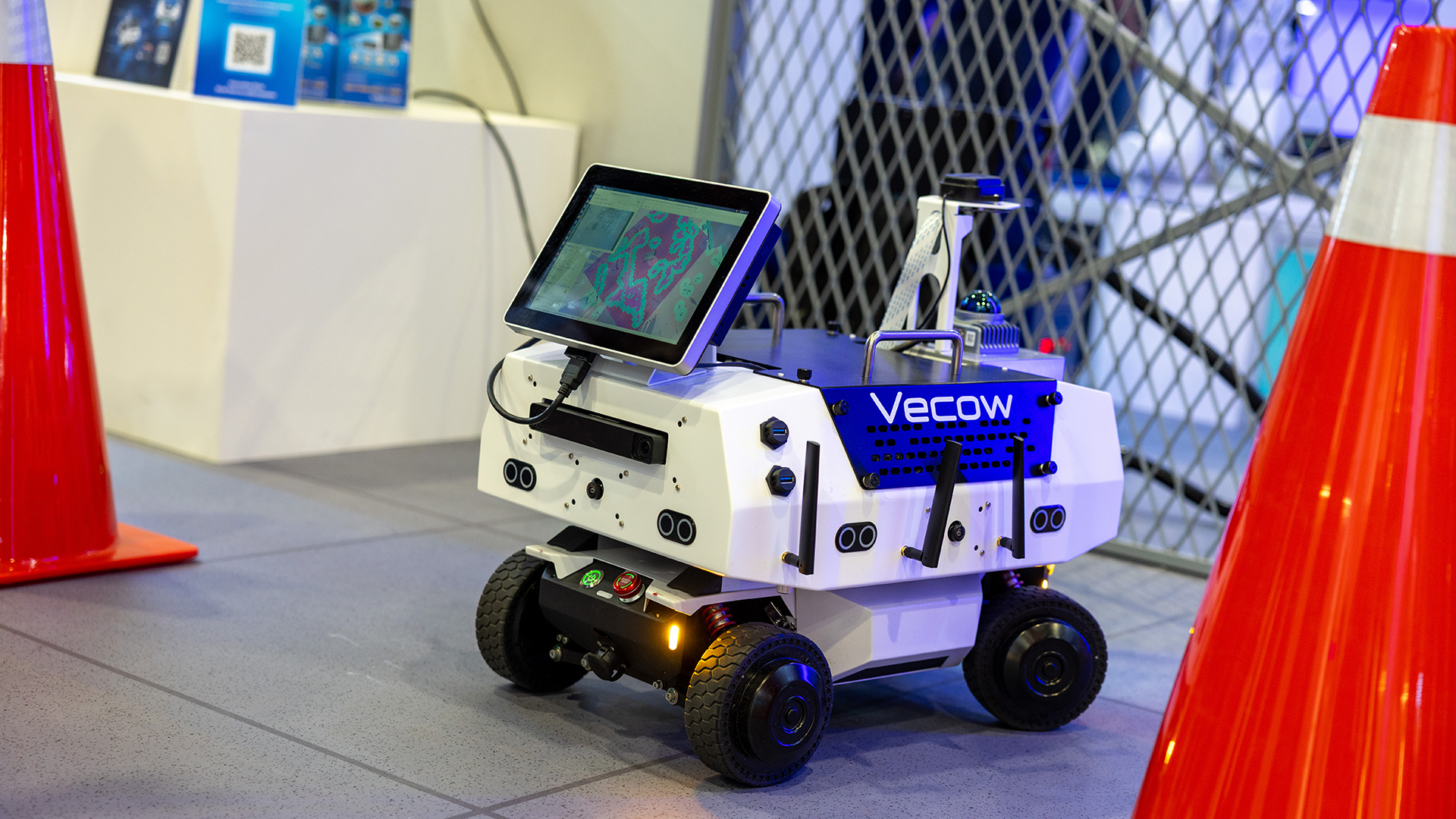
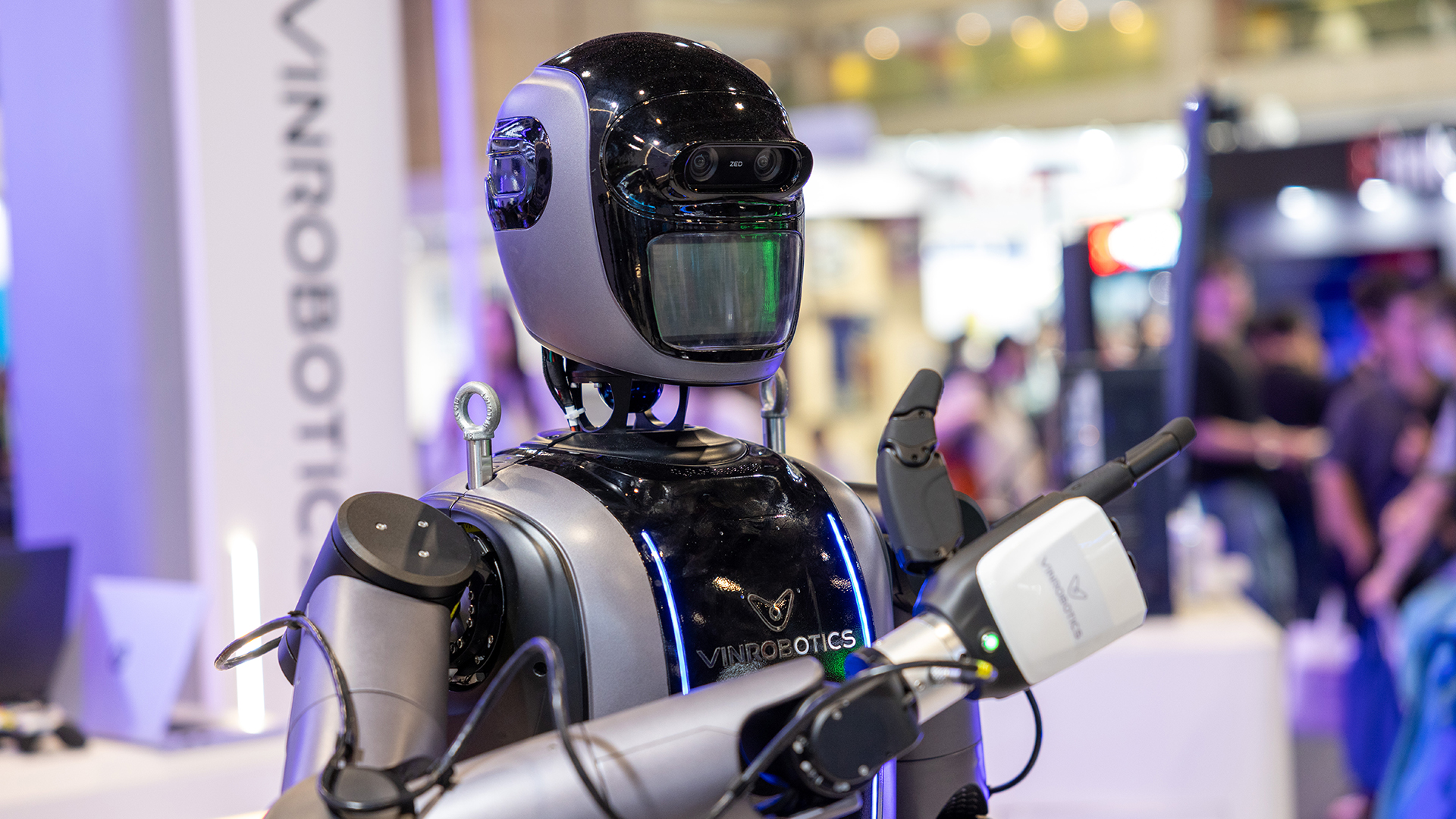
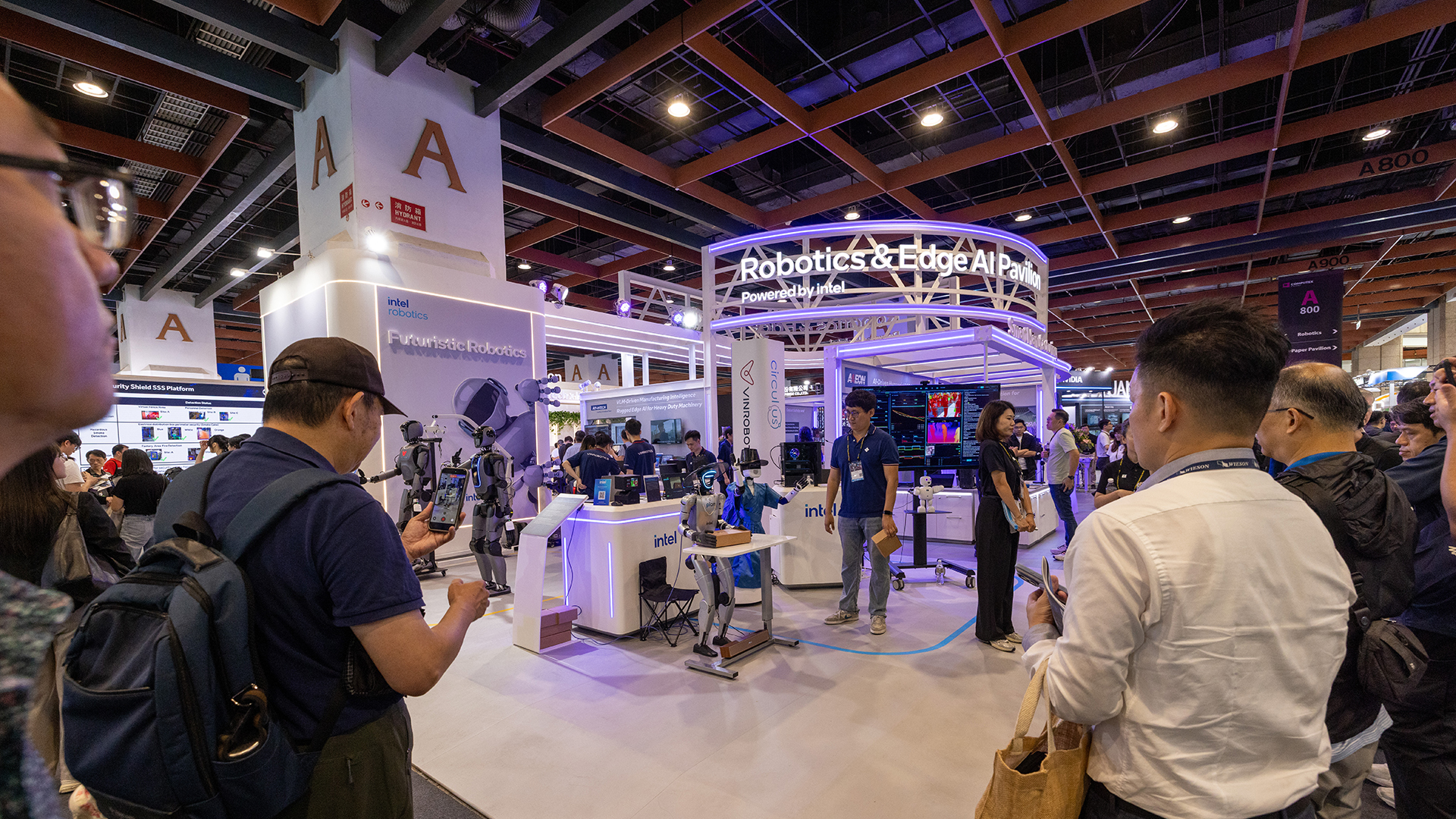
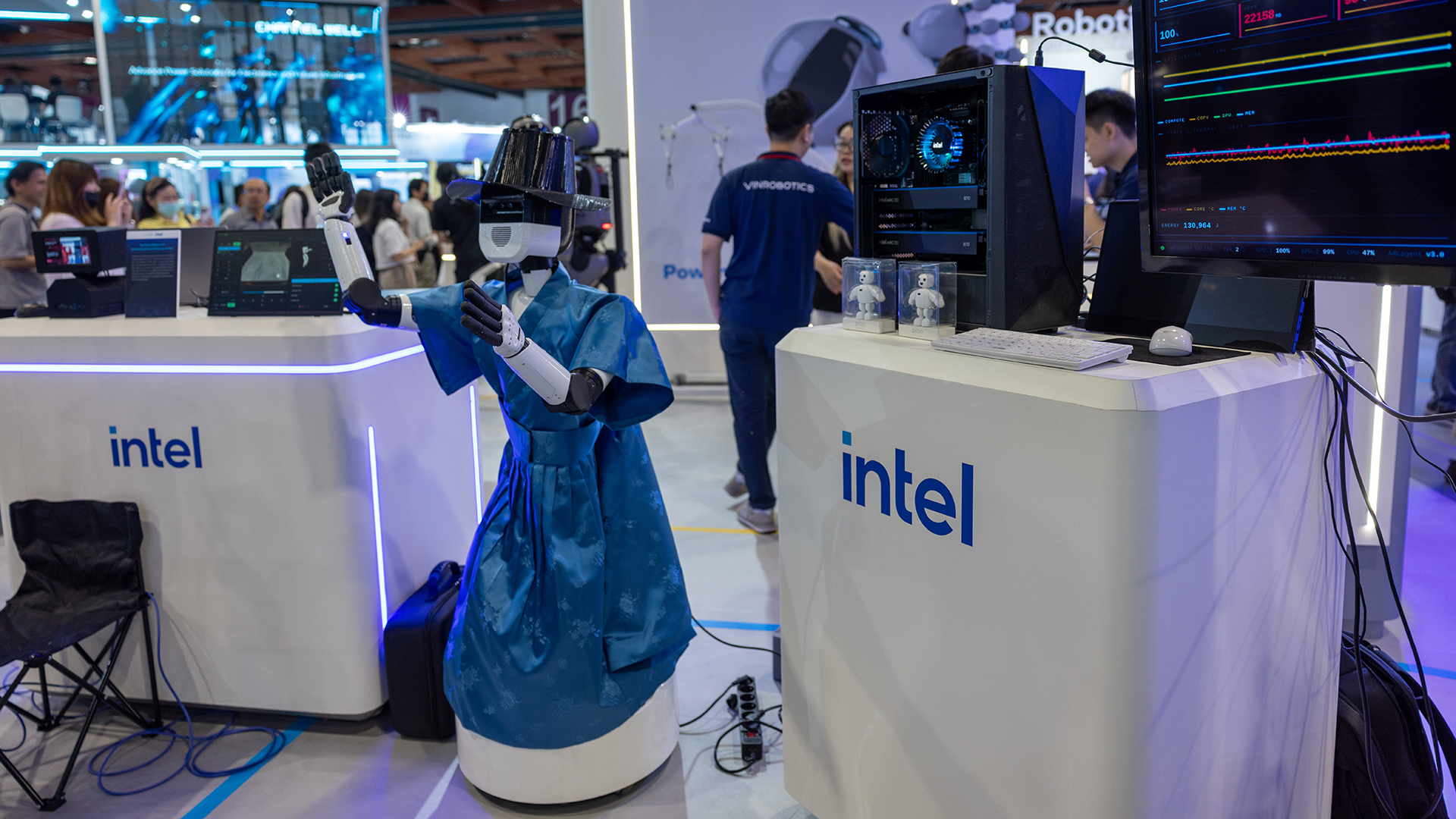
By integrating a CPU, GPU, and NPU, Intel Core Ultra Series 3 delivers edge AI power across global use cases—from hospitality and manufacturing to healthcare and education.
At 2 a.m., an emergency room nurse orders a latte at a quiet hospital coffee stand. There is no human behind the counter. Instead, a sleek robotic arm pivots, grabs a cup and begins a precise dance of grinding Italian beans and frothing milk. Within seconds, the drink is ready on a platform for a quick grab-and-go.

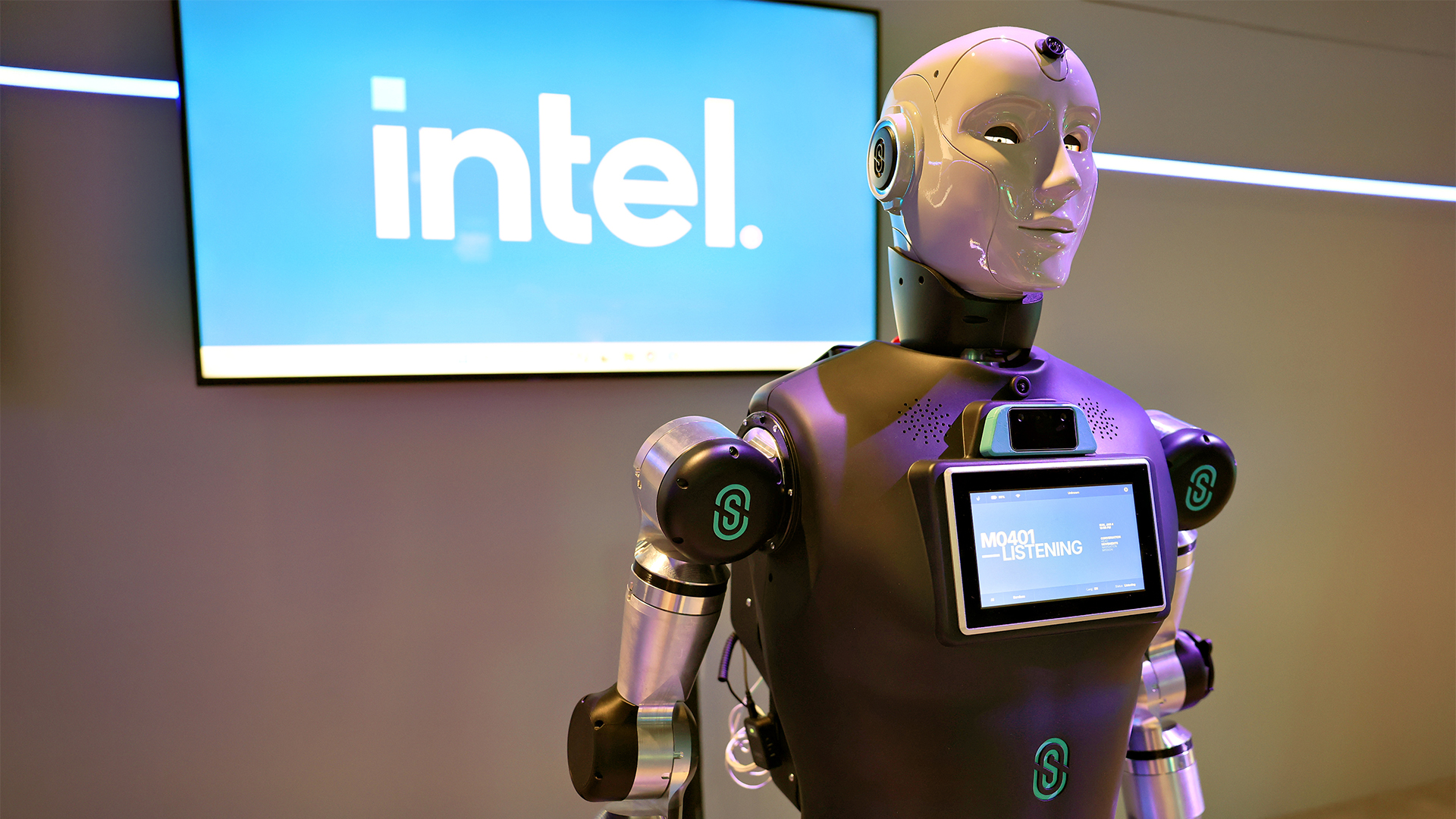
Intel® Core™ Ultra Series 3 processors now exclusively power that barista robot, called Ella, which anchors a new wave of physical AI coming to the market. Dozens of other robotics developers worldwide have begun testing and adopting these Intel processors to replace the bulky, expensive, and hot discrete graphics processing units (GPUs) typically required to make a machine "think" in the real world.
The move toward this new architecture will be on full display this June at the Computex 2026 tradeshow in Taipei, Taiwan. There, Ella will serve up to 200 drinks per hour while debuting three new specialized AI service agents running concurrently on Intel Core Ultra Series 3, showcasing the heterogeneous compute power of the new Intel chip - meaning different parts of the processor handle different tasks simultaneously - all without the delay of sending data to a distant cloud server.
A Business Case for Better Brains
Ella is the brainchild of Keith Tan, a former café owner in Singapore who faced a problem common to the hospitality industry: high employee turnover and inconsistent quality. Tan spent years training baristas only to see them leave months later. He turned to robotics to solve the labor shortage, but he soon hit a technical wall.
Giving a robot enough power to take an order, process the various drink algorithms and move an arm safely, used to require a discrete GPU, a secondary, power-hungry processor that can cost more than the whole system itself. For a business owner trying to make a profit on a $5 latte, the math simply did not work.
"We used to have an architecture of an Intel CPU with a discrete GPU doing some of the workloads, but it was expensive," says Tan, now founder and CEO of Sensory AI. "The GPU cost more than the entire system. I realized I just can’t spend that much. I have to build a system with the ROI of a cafe. Developers need to look at the total cost of ownership and the real-world deployment when you’ve already trained your models.
Today, that Intel-only architecture is the foundation for a fundamentally different product. 'We've built Ella for the service economy,' Tan adds. 'With Intel Core Ultra 3, we can now deploy agentic AI at the edge — on physical robots — and unlock something new: business-level intelligence, fleet manageability, and AI-optimized operations running across every store.”
Since the launch of Intel Core Ultra Series 3, Sensory AI has now completely switched away from a discrete GPU model to an Intel-only architecture inside Ella.
Thinking on the edge
The shift to Intel’s latest system-on-chip (SoC) architecture allows robots to perform inference-first workloads. In simpler terms, once a robot has been trained in a lab, it no longer needs a massive gaming-grade processor to do its job. It just needs to execute what it already knows with lightning speed.
By combining the CPU, the GPU and the always-on vision AI engine NPU onto one piece of silicon, Intel has reduced the heat and cost of the machine's 'brain.' This allows Sensory AI to run three specialized AI agents concurrently. The Avatar Agent handles customer interaction, the Ella Agent learns store-level business patterns, and the Guardian Agent performs high-level reasoning about system health. If Ella encounters a problem, like cups stuck together, the Avatar Agent notifies the customer while the Guardian Agent reasons about the recovery — and Sensory AI's deterministic orchestrator commands the robot arm to execute the fix. Each agent runs on the part of the SoC best suited to it.
For Sensory AI, this means Tan can run the entire stack - vision, language, and motion - without an extra graphics card, making the kiosks easier to maintain with a lower total cost of ownership.
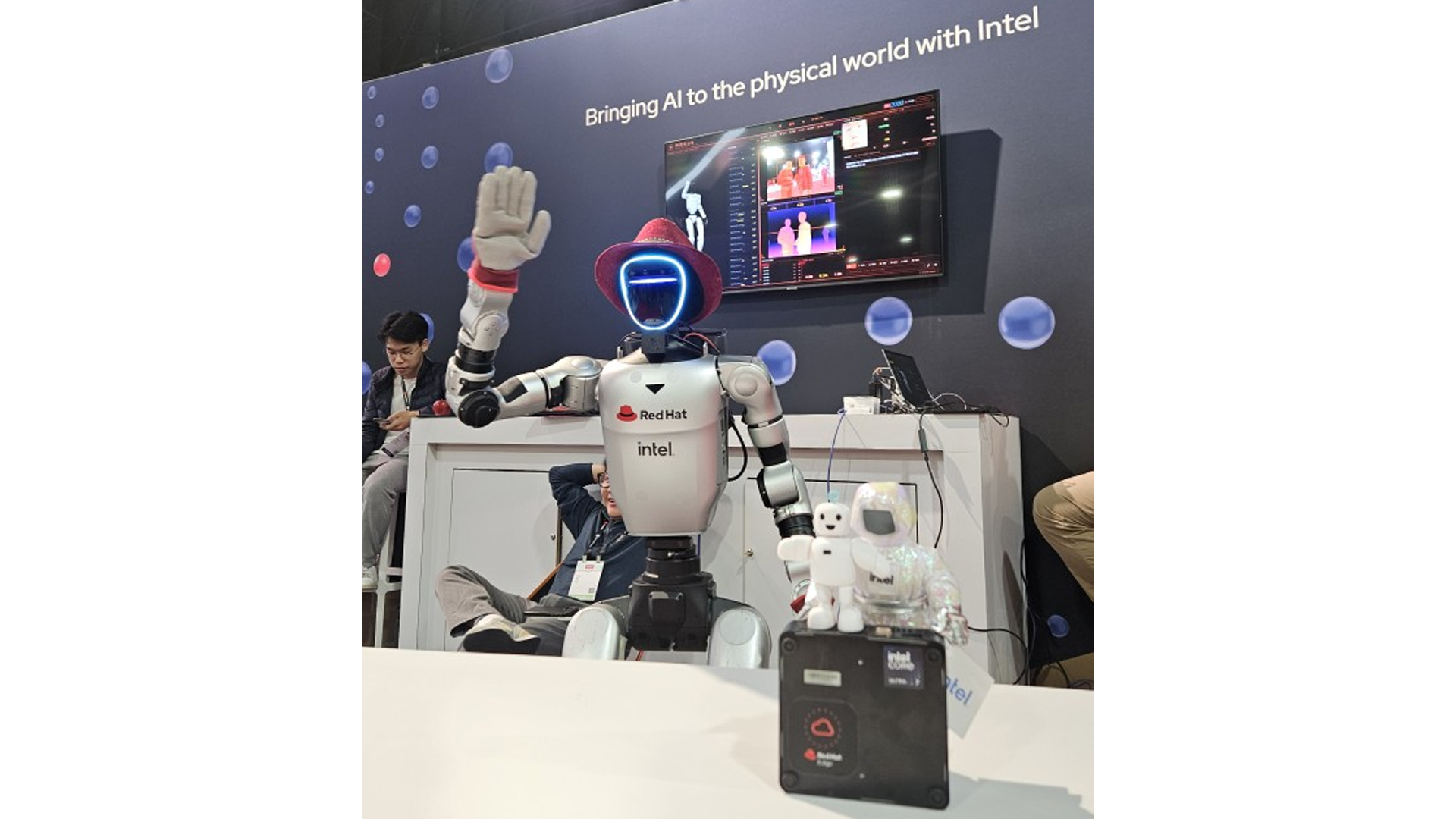
Testing the future of automation
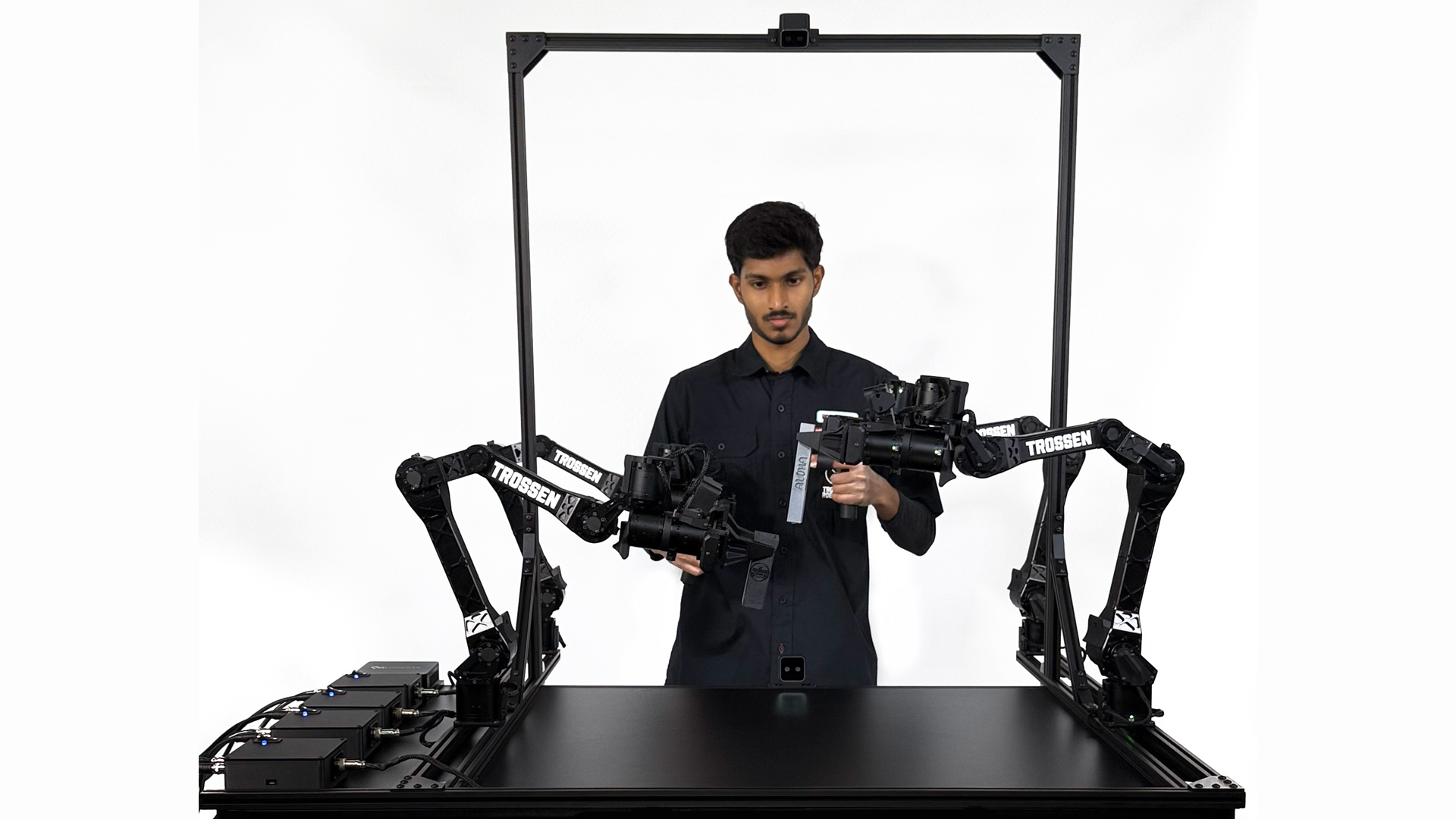
Sensory AI isn’t the only one betting on this integrated future; several robotics pioneers are already putting Intel silicon to the test. Trossen Robotics started testing with Intel Core Ultra Series 3 this year, and things are progressing well. The Illinois-based company develops robotic arms to automate tasks in industries like food service and manufacturing. Trossen also creates advanced machine learning research kits to understand the features engineers and universities need and are trying to accomplish.
“x86 is a very important architecture in that it probably has the widest adoption of developers, the earliest adoption of new updates, and the widest breadth of frameworks that developers and engineers can use,” says Trossen Principal Solutions Architect Marc Dostie. “The Core Ultra Series 3 CPU performance is incredibly high. Combine that with a very high performant integrated GPU as well as the IO that's equivalent to the (Nvidia) Jetson systems out there, and you have a very powerful system that's a delight to develop on.”
Meanwhile, in South Korea, Circulus is pioneering the next generation of physical AI and humanoid robotics systems. The company’s modular, open-architecture operating system is running seamlessly on Intel Core Ultra Series 3, transforming complex hardware into intelligent, adaptive machines. Circulus’ portfolio includes Pibo, an advanced social robot and AI companion, as well as enterprise-grade AI workstations powering humanoid platforms. To ensure robots perceive, reason, and act in real time, Circulus prioritizes zero-latency, privacy-first, on-device AI.
Specializing in Human-Robot Interaction (HRI), Circulus goes beyond just mechanical control. By bridging the gap between man and machine, the company says it aims to redefine the factory floor—delivering collaborative robotics that ensure both physical safety and worker peace of mind. By processing critical data locally, the Circulus architecture guarantees security and autonomy, allowing humanoid robots to operate reliably, even completely offline.
In Italy, Oversonic Robotics, builds and deploys humanoid and centaur robots for pick and place tasks in manufacturing as well as guiding real people through physical and cognitive rehab exercises in healthcare settings. While Oversonic initially trains robots using discrete GPUs, they are now powered exclusively inside by Intel Core Ultra Series 3 processors, also converting away from discrete GPUs. The built-in accelerators provide real-time, on-device processing for language, vision, reasoning and motion control workloads to recognize people, understand gestures and analyze surroundings for a lower cost and zero reliance on the cloud.
By proving that a robot can run exclusively on a single, efficient chip, these companies are showing the industry that the future of robotics is not just about more power—it is about being smart enough to fit into the real world.
More: Intel Panther Lake vs. NVIDIA Jetson Thor: Which “Brain” Should Power Your Humanoid Robot? (Medium) | Watch conversations with Intel robotics partners recorded at Embedded World 2026 (YouTube: @IntelBusiness)
Meet the robot helping people with rehab for neurological conditions. At #CES2026, @OversonicR is using #IntelCoreUltra Series 3, reducing reliance on power-hungry GPUs.
Vision, motion, and reasoning—all performed locally on-device. No cloud, no latency, just efficiency. pic.twitter.com/OPLXSlt3Ao
— Intel News (@intelnews) January 6, 2026
Related Posts
 Artificial Intelligence
Six in 10 Leaders Bet Big on Robots. Only Four in 10 Are Ready.
New Intel commissioned research finds robotics adoption accelerating—while gaps in strategy, skills, safety and infrastructure threaten organizations’ ability to scale.
August 20, 2026
Artificial Intelligence

Intel and Google Cloud Announce Collaboration to Accelerate Intel’s AI-Enabled Enterprise Transformation
Collaboration leverages Gemini Enterprise and Google Cloud to expand Intel’s AI workforce capabilities via scalable agentic workflows across core business functions
July 16, 2026