
Intel-Powered Agentic AI Analyzes Chess Players’ Every Move

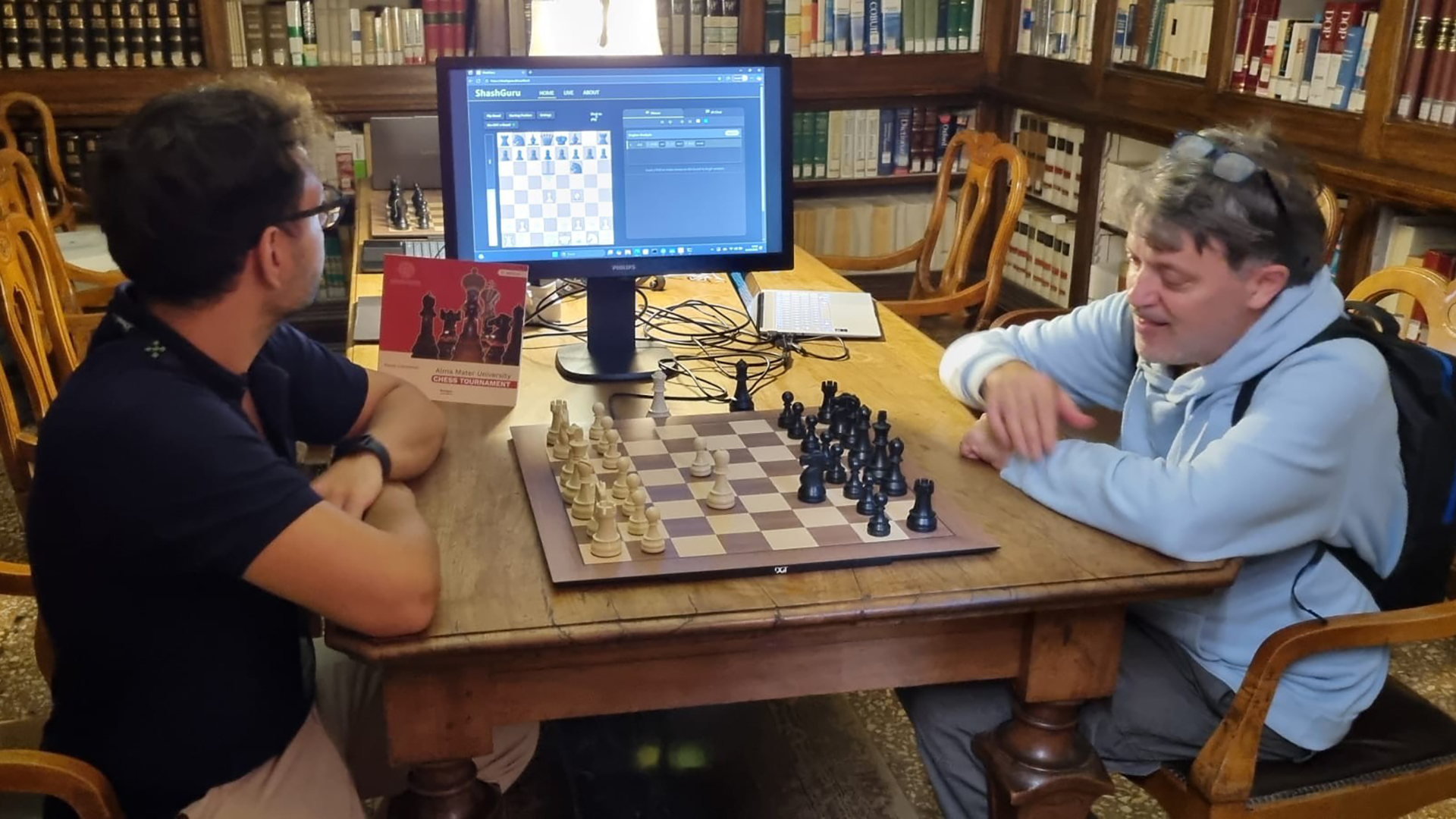
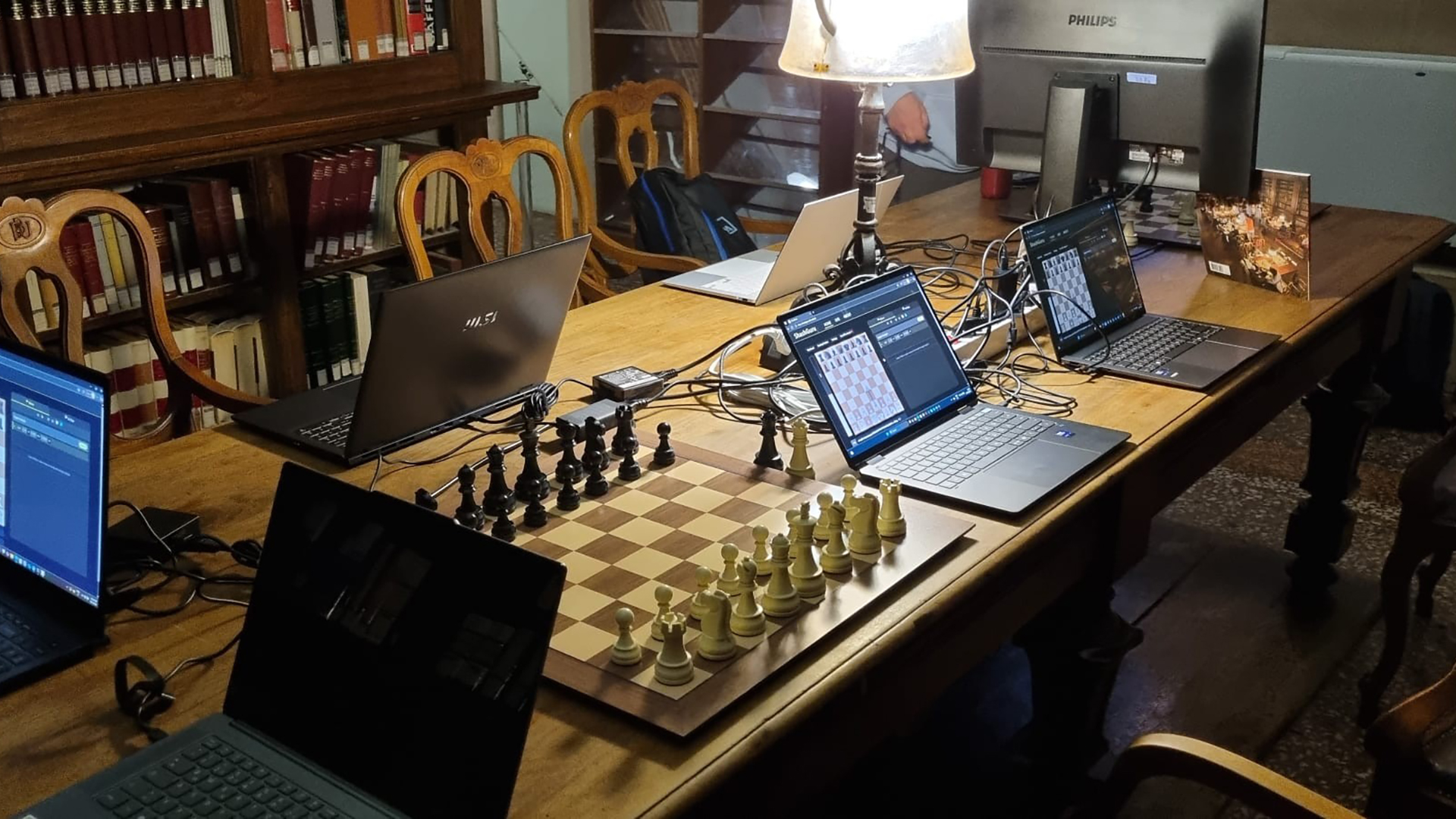
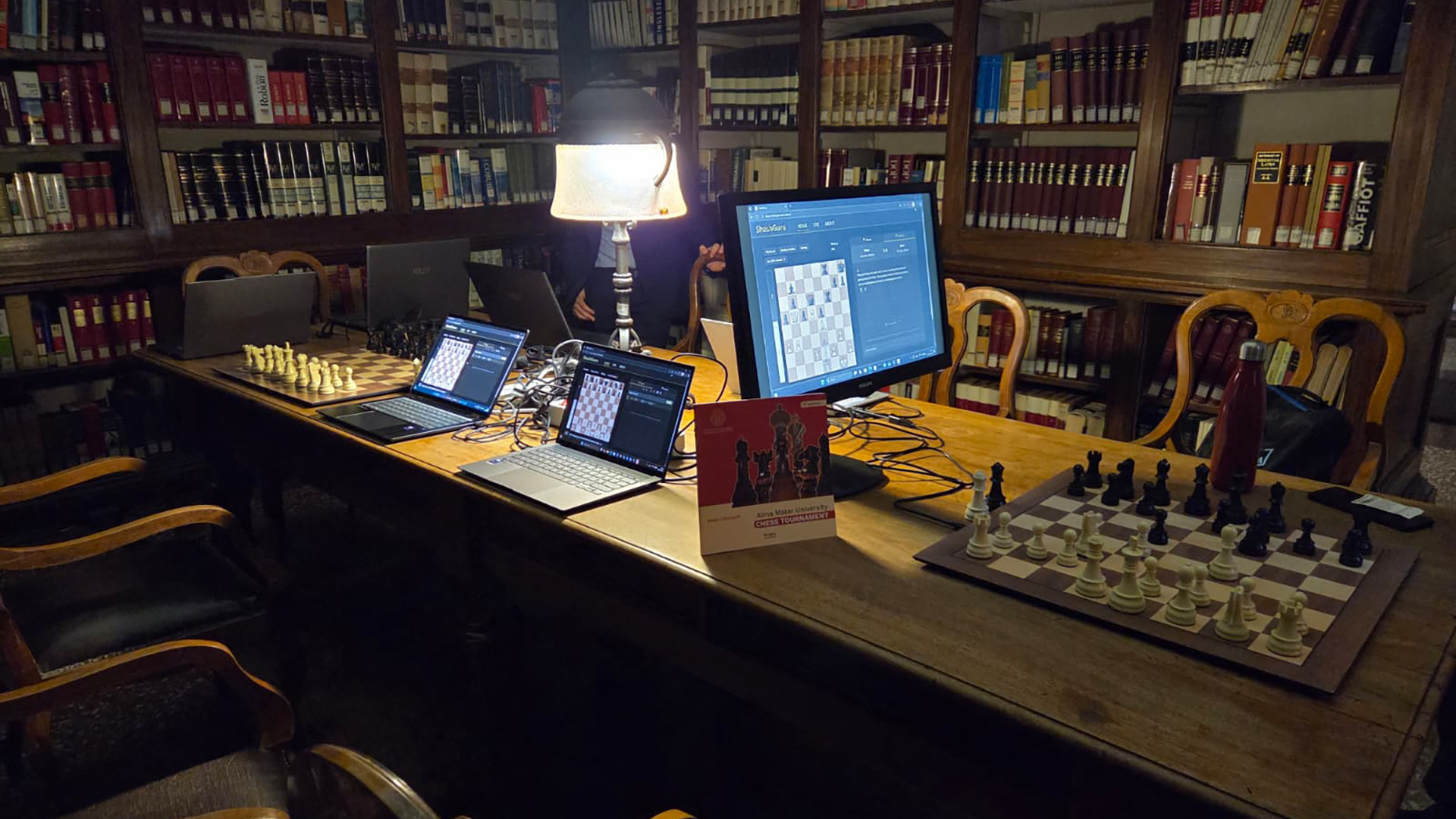

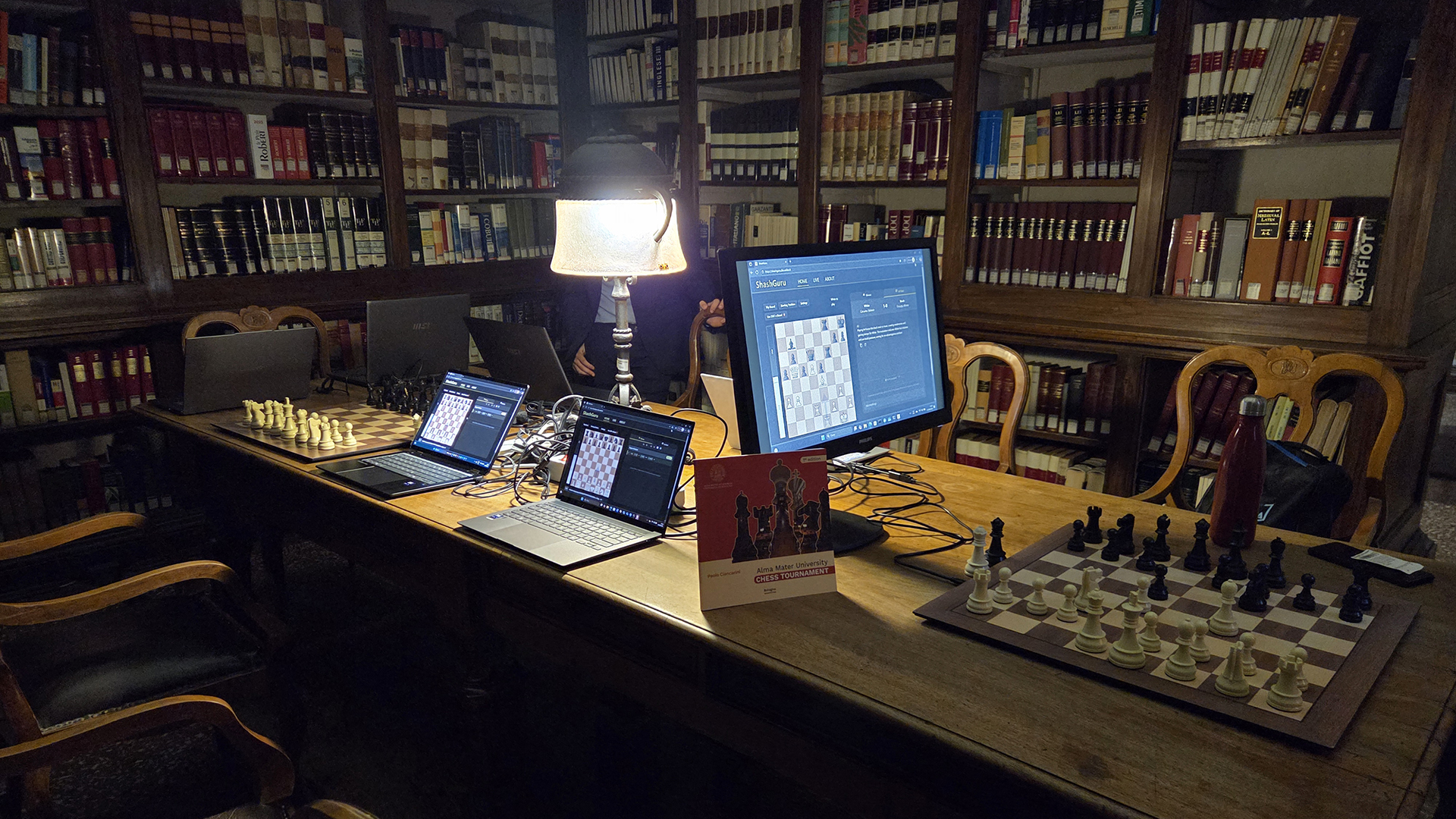
Agentic AI running on Intel processors transforms the way chess is played and understood, acting as a strategic companion post-game while providing grandmaster-level insight for viewers.
The famous quote "When you see a good move, look for a better one," is often attributed to grandmaster Emanuel Lasker, one of greatest chess champions of all time. Well, that is being put to the test Sept. 12-14 at the Alma Mater University Chess Tournament in Bologna, Italy, as a chess-playing agentic AI is teaming up with participants and spectators to not only look for a good or better move – but the best one.
For the first time, teams from 18 universities across the globe will enter the AI Analysis Room after their game has ended. By partnering with a chess-playing agentic AI, the contenders gain post-game reflection, facilitated learning and the ability to optimize moves for their next match. It is not only players who benefit: viewers will be provided with insights into the intricacies of the game by chatting with the chess-playing agentic AI, lowering the accessibility barrier of chess analysis for all.

ShashGuru analyzing a white pawn’s move at the very beginning of a chess game. (Credit: Intel Corporation)
At the heart of the AI Analysis Room is a novel open source research solution called ShashGuru, developed by computer science student Alessandro Libralesso. It’s built on the foundation of ShashChess, a customized chess engine derived from Stockfish, one of the strongest and most popular open source engines available.
"ShashGuru combines the conversational capabilities of Meta’s Llama-3.1-8B language model with the the precise strategic analysis of ShashChess, powered by the computational speed of Intel architecture," explained Paolo Ciancarini, Professor of Computer Science at the Department of Informatics at the University of Bologna. "This opens up a new approach to human-computer interaction in the chess domain."
By utilizing the AI engines of Intel® Core™ Ultra 200V series processors, running OpenVINO™ software locally on the PC, the tournament teams get human-interpretable analysis via ShashGuru in between matches to better understand their competitor's strategies and tactics. Viewers will educate themselves via ShashGuru running on Intel® Xeon® 6 processors with P-cores, designed to serve at scale and tweaked for near real-time responsiveness.
“With this research, Lasker’s quest for even better moves can be achieved – with added analysis – outside of the cloud thanks to AI PCs,” said Alessandro Palla, senior staff deep learning engineer and one of Intel’s AI researchers in the Neural Processing Unit (NPU). ”Optimized for performance to speed up the delivery of insights and bolstered with reinforced learning to reduce hallucinations, agentic AI now acts as a chess mate to call out checkmate.”
More Context: Alma Mater University Chess Tournament | ShashGuru on GitHub| Intel Core Ultra 200V Press Kit
Related Posts
 Artificial Intelligence

Intel and Google Cloud Announce Collaboration to Accelerate Intel’s AI-Enabled Enterprise Transformation
Collaboration leverages Gemini Enterprise and Google Cloud to expand Intel’s AI workforce capabilities via scalable agentic workflows across core business functions
July 16, 2026
Intel Foundry

Intel Invests €5 Billion to Expand Manufacturing in Europe
Investment is expected to create permanent high-tech jobs and engage specialised tradespeople, while expanding leading-edge manufacturing capacity in Ireland.
July 13, 2026